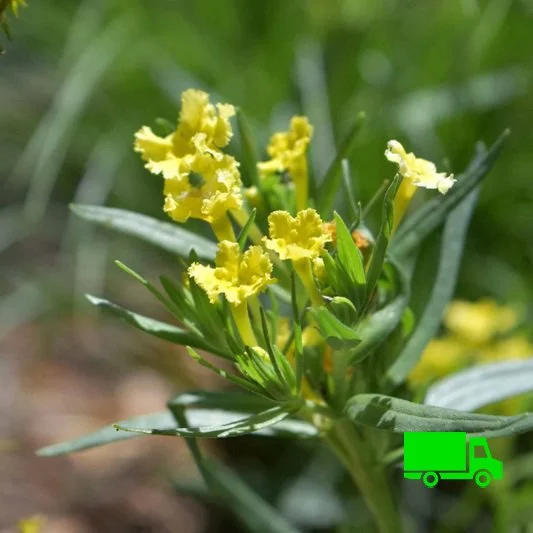
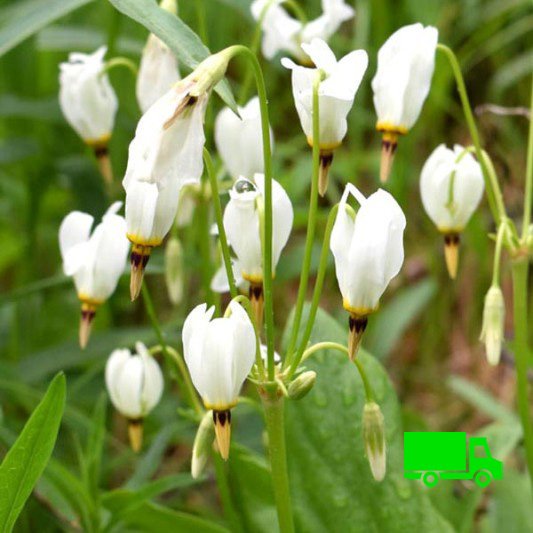
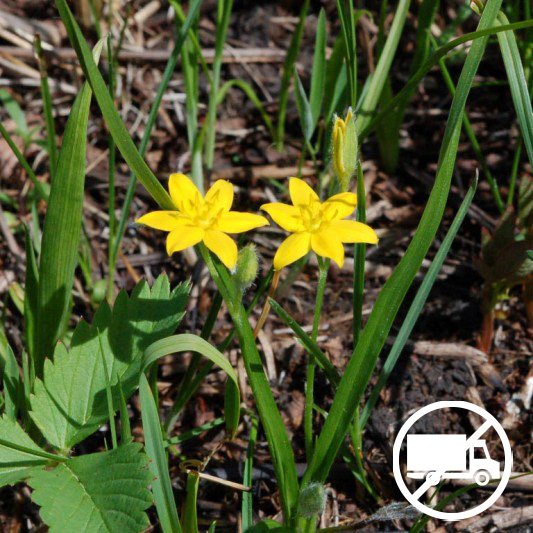
What should I plant?
A Beginner’s Guide to Native Plants
+ What is a native plant?
The plants that grew in our landscapes before the cities, before the farms, before civilization—those are “native” plants. In the Midwest, it was mostly prairie with perennial grasses and flowers. Some areas had forest with ground-level grasses and flowers. Lakes had aquatic and shoreline plants, and wetlands had plants that could handle wet and sometimes dry conditions.
+ Why are native plants important?
Plants that are native to your area are great garden plants because they have adapted to local conditions. They support the birds, bees, butterflies, and other insects that need the plants to survive—and that the plants need for pollination. Without native plants, many of the birds and insects in America would vanish, because the plants that have replaced them—plants we’ve brought in from the rest of the world—don’t support all of their food and habitat needs. Many songbirds are dependent on native prairie flowers and grasses for food (seeds and insects that feed on native plants) and habitat (nests). Monarch butterflies are totally dependent on milkweed for caterpillar food, and many insects have that exact same kind of relationship with other flowers or grasses. Goldfinches eat the seeds of coneflowers. Painted lady caterpillars eat the leaves of pussytoe flowers, and skipper butterflies need specific grasses and sedges for caterpillar food. If you have these plants in your garden, you will attract and support different butterflies, birds, and insects. The more native plants you have, the more you will support!
+ What should I plant?
Garden basics: Most native plants are a lot like the plants you already have planted in your gardens: they are perennials come back every year. There are plants that like sunny spots and plants that like shade. There are many “tame” native plants that stay in clumps and don’t spread very much and there are some native plants that spread a lot—sometimes you want a tidy garden, and sometimes you want plants that can out-compete weeds in big pollinator gardens and survive being planted in restorations.
Treat native plants the same way you’d treat a traditional garden: add some mulch, water them for a few weeks after planting, trim them back once a year (or don’t), pull the weeds, and watch them grow bigger year after year. The closer you plant them, the more the garden will fill in, and the less mulch you’ll need in future years.
Plant short plants on borders and put tall plants in the middle. Do you want a garden with shorter, tidy plants that don't spread much, or more of a pollinator jungle with taller, spreading plants?. You might want to choose plants that fit into one style of garden or the other (on our plant pages, we have a Detail on how a plant "Spreads: ex. not much, a lot, by seed, by roots, etc").
Plant at least a few of each species of flower or plant for a big visual impact (drifts of plants). Each flower species blooms for a month or two--make sure you have flowers that bloom in the spring, summer, and fall. Try to put flowers that bloom at the same time next to each other for complimentary colors.

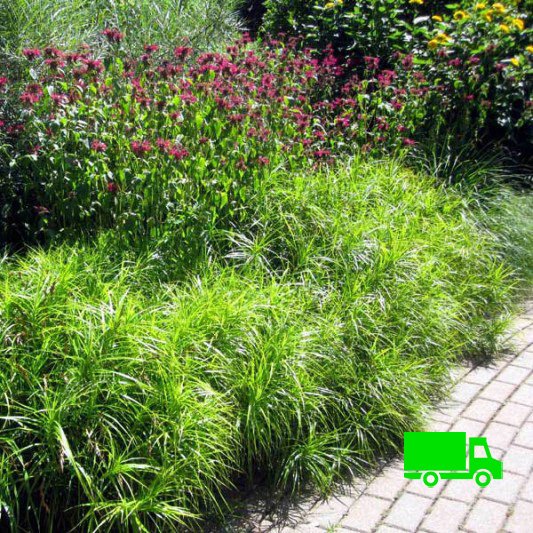
In May, the spring flowers are blooming: Prairie Smoke (red), Blue Eyed Grass (blue), and Star Sedge (green). These are very short plants that are good next to borders or sidewalks.

In August, the late summer flowers are blooming: Prairie Onion (white/pink), Orange Coneflower (yellow), Butterfly Milkweed (orange). Clump grasses fill in the gaps and smooth out the garden: Blue Grama Grass (short border grass), and Star Sedge (short border sedge).

In July, the summer flowers are blooming: Butterfly Milkweed (orange), Purple Prairie Clover (pink), Prairie Phlox (pink). The taller flowers start shooting up—they are placed in the middle so they don’t flop onto the sidewalk: Meadow Blazing Star (tall spikes; will bloom in Aug/Sept).
Finally, in early September, the tall Meadow Blazing Star flowers bloom (pink) and attract swarms of monarchs. The medium height grasses put out seed heads: Little Bluestem (bronze) and Prairie Dropseed (light, airy seed heads).
+ Native plants for sun
We always recommend a few showcase plants that show the value of native plants. They like sunny areas and they are more than worthy of a sunny front yard. Meadow Blazing Star attracts a ton of monarchs for its nectar in late August and early September. Butterfly Milkweed is a short milkweed that stays in clumps and doesn’t spread by roots like the common milkweed you’re familiar with. Put them together in a sunny garden and you’ll find monarch caterpillars in the summer and attract swarms of monarch butterflies in August! It's worth noting that the more you plant, the more pollinators you’ll attract. If you plant one of each, you’ll get a few butterflies. If you plant ten of each, you’ll get a dozen monarchs. If you plant hundreds of Meadow Blazing Star flowers, you’ll get hundreds of butterflies! It doesn’t matter if you are in the city or the country—they will find your garden. Prairie Smoke is a perfect flower for borders: it gets only 10 inches tall and it blooms in very early spring.
Can’t be shipped.
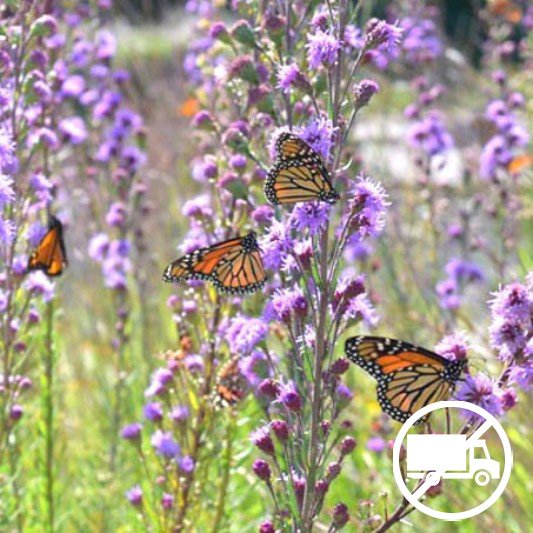
Meadow Blazing Star attracts swarms of monarch butterflies during their August and September migration. If you plant it at your house—even in the middle of the city—you will see more monarchs than you ever thought possible. It’s nicknamed “The Monarch Magnet” for good reason.
Milkweed is an important host plant for eggs and caterpillars, but late-summer blooming plants like Meadow Blazing Star provide nectar during the fall migration.
How many should I plant to attract monarchs?
Plant a few and you’ll get a few monarchs each day. Plant dozens and you’ll get dozens of monarchs. Plant hundreds and you’ll get hundreds of monarchs! In our seed production plots with 4,000 Meadow Blazing Star plants, we get thousands of monarchs every day for weeks and they even congregate into huge roosts in the trees at night.
Also available in 12-packs of plugs here
Details
Perennial
Sun: Full Sun, Part Shade
Moisture: Medium-Dry, Medium-Wet
Height: 5 feet
Blooms: Aug, Sept
Color: Pink, Purple
Spacing: 1-2′
Spreads: A little by seed
Zones: 3-7
Benefits: Butterflies, Pollinators, Birds, Hummingbirds
Design Tips
Meadow Blazing Star is incredible in large masses, especially with all the monarch butterflies it attracts. The tall flower spikes of Meadow Blazing Star (Liatris ligulistylis) look great when planted among short grasses and sedges. You will never regret planting too much of this plant, and your neighbors will also benefit from all of the monarchs flying around the neighborhood.
We like planting Blazing Star with Orange Coneflower and Grey Goldenrod—two yellow flowers that bloom at the same time and provide complimentary colors to the pink Blazing Stars.
Great native plant choice for the Minnesota Lawns to Legumes grant program!
Companion Plants
Blue Wild Indigo
Marsh Milkweed
Prairie Blazing Star
Orange Coneflower
Prairie Dropseed
Fox Sedge
Size: 3-pack of pots, each pot is 3" wide x 3" deep, 2nd year plants
These pots can’t be shipped — pickup only!

Can’t be shipped.
Butterfly Milkweed is one of the most stunning plants for dry, sunny gardens. The orange flowers are a perfect companion to many of the other summer blooming prairie flowers, especially Coneflowers. It supports Monarch caterpillars and you can often find tiny white eggs underneath the leaves in early summer, and caterpillars munching away a few weeks later.
Butterfly Milkweed is long-lived when planted in a dry, sunny location with sand or light soil. It can be short-lived in rich, medium soil, but it often regenerates by seed. It’s a wonderful, short flower that is welcome to spread throughout a garden. Unlike common Milkweed which spreads underground, Butterfly Milkweed grows in a small clump with a single taproot, making it a much better plant for urban gardens.
Also available in 12-packs of plugs here
Details
Perennial
Sun: Full Sun, Part Shade
Moisture: Dry, Medium
Height: 2 feet
Blooms: June, July, Aug
Color: Orange
Spacing: 12-18″
Spreads: A little by seed
Zones: 3-9
Benefits: Butterflies, Pollinators
Design Tips
Plant Butterfly Milkweed in dry soil. Host plants for monarch caterpillars are most effective when planted next to their favorite butterfly nectar plants that bloom at the same time as the monarch migration such as Coneflowers, Blazing Stars, and Asters. Butterfly Milkweed (Asclepias tuberosa) doesn’t spread by roots—it spreads only a little bit by seed, making it a nice garden plant.
Maintenance Tips
Since Butterfly Milkweed can be a short-lived plant, make sure that you allow it to spread its seed so that they can sprout and survive in your garden. This means allowing the seed heads to mature, but also making sure you don’t add mulch every year, which prevents seeds from germinating the next spring.
Great native plant choice for the Minnesota Lawns to Legumes grant program!
Companion Plants
Prairie Phlox
Narrow-leaved Coneflower
Prairie Dropseed
Prairie Phlox
Purple Prairie Clover
Blue Grama Grass
Size: 3-pack of pots, each pot is 3" wide x 3" deep
These pots can’t be shipped — pickup only!

Can’t be shipped.
Prairie Smoke is a favorite dry prairie flower, blooming early in the spring with red flowers that angle down like a shepherds hook when being pollinated and then raise up to let out a puff of fluffy seed tails that look like smoke. Prairie Smoke is an excellent choice for borders, rock gardens, and dry sandy soils. It blooms ridiculously early, often sending up flowers stalks when there’s still a chance of snow.
Also available in 12-packs of plugs here
Details
Perennial
Sun: Full Sun, Part Shade
Moisture: Dry, Medium
Height: 8 inches
Blooms: April, May, June
Color: Red
Spacing: 8″
Spreads: Doesn’t spread much
Zones: 3-7
Benefits: Pollinators, Deer Resistant
Design Tips
Prairie Smoke is perfect for borders because of its small stature. Prairie Smoke (Geum triflorum) can also be scattered throughout a garden for early green growth while the warm-season plants are still dormant.
Great native plant choice for the Minnesota Lawns to Legumes grant program!
Companion Plants
Star Sedge
Pasque Flower
Cream Wild Indigo
Blue Grama Grass
Size: 3-pack of pots, each pot is 3" wide x 3" deep
These pots can’t be shipped — pickup only!
+ Native plants for shade
There are some great native flowers that like shade gardens and are good companions to the hostas and other plants you might already have. Jacob’s Ladder is a short, clump-forming flower with nice foliage and soft blue flowers in spring. Cardinal Flower has deep red flowers that attract hummingbirds in summer. It doesn’t like very dry soil so make sure you plant it in black soil with mulch. Wild Blue Phlox has short blue flowers in spring and looks nice planted with sedges (sedges are like grasses).

Can’t be shipped.
Jacob’s Ladder is one of the best wildflowers for shade or sun gardens. It is one of the earliest spring flowers to bloom, with light blue flowers that provide nectar and pollen for small bees.
The foliage itself grows in soft, tight clumps. The short stature and early bloom time make it a perfect companion for Ivory Sedge and spring wildflowers. After blooming, the seed heads turn a nice maroon color. It’s such a good plant that we recommend it to everybody for almost any garden!
Also available in 12-packs of plugs here
Details
Perennial
Sun: Shade, Part Shade, Full Sun
Moisture: Medium
Height: 12 inches
Blooms: April, May, June
Color: Blue
Spacing: 12″
Spreads: A little by seed
Zones: 3-8
Benefits: Pollinators
Design Tips
Jacob’s Ladder is a vigorous woodland flower capable of growing in sunny spots with enough soil moisture. Jacob's Ladder (Polemonium reptans) creates nice short mounds of light blue flowers. It works especially well when planted in a groundcover of Ivory Sedge because the Ivory Sedge always stays shorter than the Jacob’s Ladder, creating mound of foliage interspersed in a fine groundcover of sedge leaves.
We like planting Jacob’s Ladder with other early spring bloomers such as Prairie Smoke and Wood Betony, which bloom at the same time.
Great native plant choice for the Minnesota Lawns to Legumes grant program!
Companion Plants
Ivory Sedge
Wood Betony
Wild Blue Phlox
Star Sedge
Rosy Sedge
Size: 3-pack of pots, each pot is 3" wide x 3" deep
These pots can’t be shipped — pickup only!

Can’t be shipped.
Hummingbirds love the bright red flowers of Cardinal Flower. It’s very eye-catching when massed in a rain garden or shady garden. Cardinal Flower starts out as a small rosette of leaves, and then sends up tall flowers stems that burst with red flowers. It looks especially good with Orange Coneflower and Culver’s Root which bloom at the same time.
It likes wetter soil and shady conditions, but it can handle a very wide range of sun and soil conditions. It can be short-lived in gardens.
Also available in 12-packs of plugs here
Details
Perennial
Sun: Full Sun, Part Shade, Shade
Moisture: Wet, Medium-Wet, Medium
Height: 3-4 feet
Blooms: July, Aug, Sept
Color: Red
Spacing: 12″
Spreads: Doesn’t spread much
Zones: 3-9
Benefits: Butterflies, Pollinators, Hummingbirds
Design Tips
A large mass of Cardinal Flower is truly stunning in a rain garden. Can be short-lived, so plant it in a moist spot with rich soil where it can re-seed. Cardinal Flower (Lobelia cardinalis) is a great choice for shady rain gardens or mulched gardens with plenty of soil moisture. Good Cardinal Flower companion plants we recommend are Great Blue Lobelia and Orange Coneflower for a classic red-blue-yellow bloom combination in late summer.
Great native plant choice for the Minnesota Lawns to Legumes grant program!
Companion Plants
Great Blue Lobelia
Orange Coneflower
Culver's Root
Fox Sedge
Size: 3-pack of pots, each pot is 3" wide x 3" deep
These pots can’t be shipped — pickup only!

Can’t be shipped.
Wild Blue Phlox is a woodland plant perfect for shady gardens. The blue-to-pink flowers bloom in the spring on top of thin stems, making it a good companion for other spring blooming plants.
Also available in 12-packs of plugs here
Details
Perennial
Sun: Shade, Part Shade
Moisture: Medium-Dry, Medium-Wet
Height: 12 inches
Blooms: April, May, June
Color: Blue
Spacing: 10-12″
Spreads: 4” a year by roots
Zones: 3-8
Benefits: Butterflies, Pollinators, Birds, Hummingbirds
Design Tips
Spreads slowly by underground rhizomes (roots). It’s not aggressive though and co-exists peacefully with other spring woodland plants. Plant with other spreading plants such as Wild Geranium and Pennsylvania Sedge for a nice groundcover.
Great native plant choice for the Minnesota Lawns to Legumes grant program!
Companion Plants
Ivory Sedge
Columbine
Jacob's Ladder
Star Sedge
Rosy Sedge
Size: 3-pack of pots, each pot is 3" wide x 3" deep
These pots can’t be shipped — pickup only!
+ Sedges and grasses
Sedges and grasses are an important part of any garden. They support insects and birds in various ways: caterpillars of skipper butterflies eat the leaves, birds eat the seeds, and other insects eat the leaves, too (and birds eat the insects that eat the plants!).
Their fine leaves soften the garden and tie it together. Flowers are like pictures and paintings on a wall, and grasses are like the wall paint—too many wall decorations make a house look too busy, and too much empty wall space makes a house feel lackluster. A balance is important.
There are a few popular grasses and sedges for sunny gardens. Prairie Dropseed forms round clumps with very fine leaves. It looks amazing planted throughout a garden or in big masses. Little Bluestem has blueish-silver leaves in the summer that turn into an upright column of bronze in the fall and winter. Star Sedge starts greening up in April and adds color to a garden while most plants are still dormant. All three of these form round clumps and do not spread underground. Star Sedge and Prairie Dropseed rarely even spread by seed, making them very friendly garden companions.

Can’t be shipped.
Prairie Dropseed is one of the most ornamental prairie grasses. It forms dense clumps that create low mounds of fine-textured leaves. In late summer, airy seed heads rise above the plant and move gracefully in the wind. It’s one of the most popular perennial grasses to plant in a mass planting.
In fall and winter, the leaves settle down and create a natural mulch layer that reduces weeds and covers the soil. The seeds also give off a distinctive fragrance that adds another sensory element to the garden.
Why do we love Prairie Dropseed so much? Prairie Dropseed stays in tidy clumps and does not spread by roots or by seed. Plants establish slowly, but after about three years the clumps grow about one foot across. The thin leaves resemble familiar lawn grasses, which helps the plant blend naturally into garden settings.
During the first few years, Prairie Dropseed produces many seed heads that spread lightly above the foliage and add texture to the upper layer of the garden without dominating it like the taller prairie grasses. As plants mature—often after four or five years—they produce fewer seed heads and maintain a compact dome of fine grass leaves throughout the season.
Also available in 12-packs of plugs here
Details
Perennial
Sun: Full Sun, Part Shade
Moisture: Dry, Medium-Dry, Medium
Height: 3 feet
Blooms: Aug, Sept
Color: Gold
Spacing: 18″
Spreads: Doesn’t spread much
Zones: 3-8
Benefits: Ornamental Grass, Birds, Deer Resistant
Design Tips
Prairie Dropseed looks incredible when planted as a groundcover, with clumps between 8-14″ away from each other, or scattered throughout a garden. The fine, mounding leaves of Prairie Dropseed (Sporobolus heterolepis) look great next to all of the sunny prairie flowers. We often plant Prairie Dropseed in a mixed planting along with Parasol Sedge and other grasses.
Great native plant choice for the Minnesota Lawns to Legumes grant program!
Companion Plants
Pale Purple Coneflower
Butterfly Milkweed
Prairie Phlox
Purple Prairie Clover
Size: 3-pack of pots, each pot is 3" wide x 3" deep
These pots can’t be shipped — pickup only!

Can’t be shipped.
Little Bluestem is one of the most popular ornamental prairie grasses. Little Bluestem has blue-colored leaves in early summer, changing to a straight column of bronze seed heads in the fall. The seed heads are little white puffs that cover the top and blow gently in the wind. Little Bluestem forms a stiff column of colorful stems in fall that stand up throughout winter, providing year-round color.
Cultivated varieties of Schizachyrium scoparius can be found at garden centers, but the true native variety is usually only found at native plant nurseries. The cultivated varieties can be nice, but they all spread by seed and the offspring will resemble the native species in time.
Also available in 12-packs of plugs here
Details
Perennial
Sun: Full Sun, Part Shade
Moisture: Dry
Height: 3 feet
Blooms: Aug, Sept, Oct
Color: Blue, Red-Bronze
Spacing: 18″
Spreads: A little by seed
Zones: 3-10
Benefits: Ornamental, Butterflies, Pollinators, Deer Resistant
Design Tips
The seed stems on Little Bluestem grow into tight, colorful columns in fall. These columns add a nice touch when scattered in a garden or placed in a drift through the middle of a garden. Little Bluestem (Schizachyrium scoparius) grass tends to spread by seed.
Great native plant choice for the Minnesota Lawns to Legumes grant program!
Companion Plants
Butterfly Milkweed
Prairie Phlox
Prairie Onion
Hoary Puccoon
Rough Blazing Star
Size: 3-pack of pots, each pot is 3" wide x 3" deep
These pots can’t be shipped — pickup only!
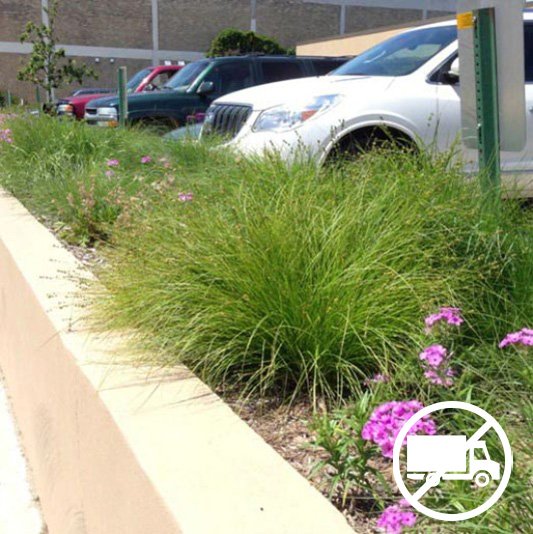
Can’t be shipped.
Star Sedge is a popular ornamental grass-like plant that forms short clumps early in spring. Thin, bright-green leaves and star-shaped seed heads make this an appealing plant. Perfect for borders and when scattered throughout a shade garden, adding spring green to otherwise dormant gardens.
Also available in 12-packs of plugs here
Details
Perennial
Sun: Full Sun, Part Shade, Shade
Moisture: Medium
Height: 1 foot
Blooms: May, June
Color: Green, Gold
Spacing: 10-14″
Zones: 3-8
Benefits: Birds, Deer Resistant
Design Tips
Star Sedge forms short lime-green mounds in early spring, with interesting star-like seed heads that form later and splay out a little bit. Star Sedge (Carex radiata) is a valuable plant that can be scattered throughout a prairie garden to give green growth during the spring when all of the warm-season plants are still dormant and brown.
Great native plant choice for the Minnesota Lawns to Legumes grant program!
Companion Plants
Jacob's Ladder
Wild Blue Phlox
Prairie Dropseed
Butterfly Milkweed
Prairie Phlox
Purple Prairie Clover
Size: 3-pack of pots, each pot is 3" wide x 3" deep
These pots can’t be shipped — pickup only!
+ Sedges and grasses for shade
For shade gardens, sedges are the go-to plants. In pristine forests of the Midwest, sedges often carpet the forest floor, mingling with shade flowers that often bloom in the spring before the trees leaf out. Ivory Sedge is extremely short at just about 8” tall. If you plant it close together—about 8-10” apart—it will grow together to form a fine mat. Keep in mind, however, that there are few plants that can handle the foot traffic that normal lawn grass can. Rosy Sedge form short, 12” tall clumps. It grows well with clump-forming shade flowers like Jacob’s Ladder and Wild Blue Phlox. Pennsylvania Sedge is one of the best options for alternative lawns. It spreads by underground roots to form dense mats. Plant it 12-16”” apart to let it grow into a solid mat in a few years. Plant it with other aggressive shade flowers like Wild Geranium and Zig Zag Goldenrod; it can out-compete the less-aggressive shade flowers.

Can’t be shipped.
Ivory Sedge is one of the best shade plants for any garden. It has beautiful fine foliage. The soft, grass-like leaves only grow about 8 inches tall, making it a perfect companion plant for both short and tall flowers. The compact clumps of Ivory Sedge spread slowly to create a soft groundcover. It is also evergreen throughout winter. Ivory Sedge is great for planting along sidewalks, in-between stone pavers, in rock gardens, and among woodland flowers.
You’ll need quite a few Ivory Sedge plants to fill spaces if you want a groundcover within a few years. If you plant them every 8 inches, that means two plants per square foot. For example, if it’s a 5ft x 5ft space you want filled, you’ll need 50 plants (25sq ft x 2 plants per sq ft = 50 plants total).
Also available in 12-packs of plugs here
Details
Perennial
Sun: Shade, Part Shade, Full Sun
Moisture: Dry, Medium
Height: 8 inches
Blooms: May, June
Color: Green, Gold
Spacing: 8-12″
Spreads: 4” a year by roots
Zones: 3-7
Benefits: Groundcover, Deer Resistant
Design Tips
Plant Ivory Sedge about 6-8 inches apart to create a grass-like groundcover after a few years. Ivory Sedge (Carex eburnea) can be planted in-between stone pavers and flagstones to provide a picturesque woodland path. It doesn’t stand up to foot traffic super well, so although it might look like a nice lawn, it wouldn’t be able to withstand regular use.
Great native plant choice for the Minnesota Lawns to Legumes grant program!
Companion Plants
Jacob's Ladder
Wild Blue Phlox
Columbine
Size: 3-pack of pots, each pot is 3" wide x 3" deep

Can’t be shipped.
Rosy Sedge is a nice, short plant for woodland or semi-shady gardens. It grows in a clump and does not spread. Rosy Sedge is a great companion plant for woodland flowers such as Wild Blue Phlox, Jacob’s Ladder, and Wild Geranium.
Details
Perennial
Sun: Part Shade, Shade
Moisture: Medium, Medium-Dry, Dry
Height: 1 foot
Blooms: May, June
Color: Green, Gold
Spacing: 10-14″
Spreads: Doesn’t spread much
Zones: 3-8
Benefits: Birds, Deer Resistant
Design Tips
Rosy Sedge is a good grass-like plant companion for shade wildflowers. Sedges start growing in very early spring, giving gardens green growth when most plants are still dormant. Rosy Sedge (Carex rosea) has very fine leaves that help tie gardens together with the surrounding lawns.
Great native plant choice for the Minnesota Lawns to Legumes grant program!
Companion Plants
Jacob's Ladder
Wild Blue Phlox
Columbine
Star Sedge
Size: 3-pack of pots, each pot is 3" wide x 3" deep
These pots can’t be shipped — pickup only!

Can’t be shipped.
Pennsylvania Sedge is a short woodland sedge that spreads slowly by underground stems to form a low groundcover. It is well adapted to dry shade and is a key component of many oak woodland restorations.
In gardens, Pennsylvania Sedge works well where a short, spreading plant is needed to cover the ground beneath trees or along shaded edges. Over time it forms a soft carpet of fine leaves that helps reduce weeds and stabilize soil.
It grows well with woodland flowers such as Wild Geranium, Woodland Phlox, and Jacob’s Ladder. These plants rise through the sedge while the foliage fills the ground layer of the garden.
Details
Perennial
Sun: Shade, Part Shade
Moisture: Dry, Medium-Dry, Medium
Height: 8 inches
Blooms: April, May, June
Color: Green
Spacing: 8-12″
Spreads: 7” a year by roots
Zones: 3-7
Benefits: Groundcover, Birds, Deer Resistant
Design Tips
Pennsylvania Sedge is one of the most common groundcovers in pristine Midwest forests. Pennsylvania Sedge (Carex pensylvanica) spreads about 6-9″ per year to form a dense groundcover. These small plugs are an economical way of planting large areas, such as a lawn replacement, with Pennsylvania Sedge. This is a popular sedge for shady, urban lawn replacements because it spreads by rhizomes and eventually creates a mat. Plan on planting these Pennsylvania Sedge plugs 9”-12” apart. The closer you plant, the faster they will form a mat.
Great native plant choice for the Minnesota Lawns to Legumes grant program!
Companion Plants
Columbine
Bradbury's Monarda
Wild Blue Phlox
Wild Geranium
Jacob's Ladder
Star Sedge