Can be shipped.
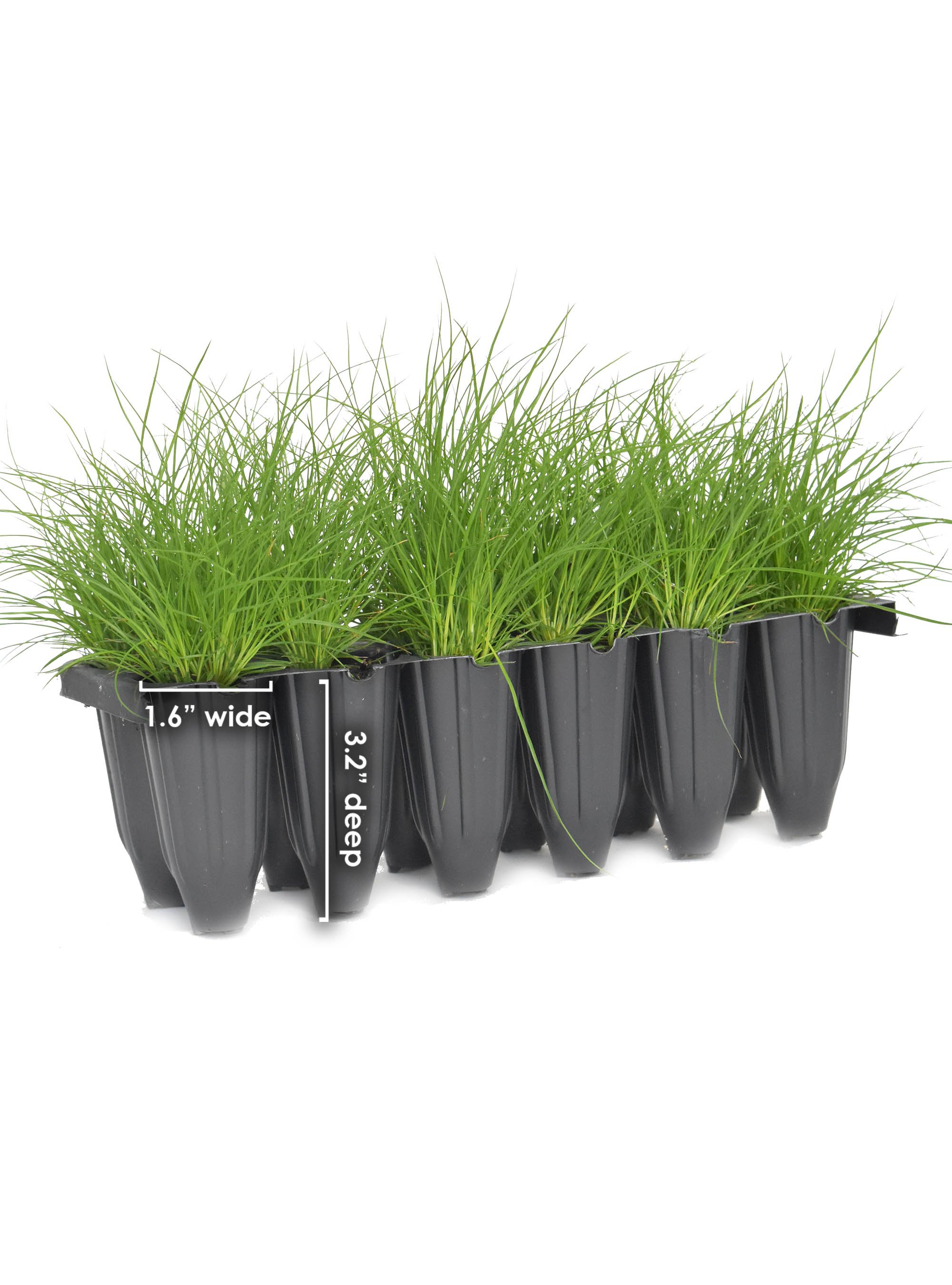
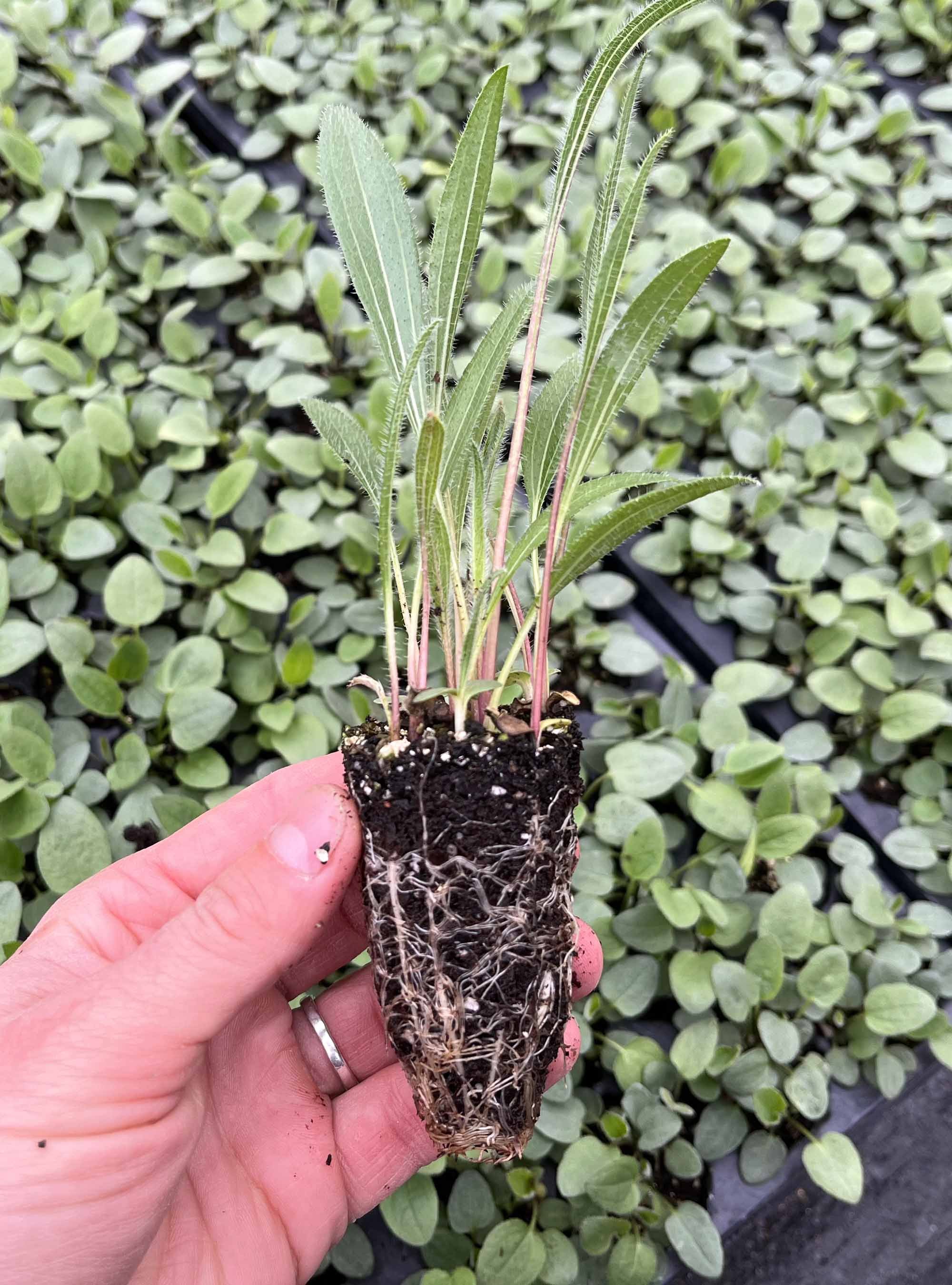
What are plugs? Plugs are plants grown in 72-cell trays; each soil plug is 1.6” wide x 3.2” deep. Read more here.
Blue Wild Indigo is a striking wildflower that sends up deep blue flower spikes in early summer. After blooming, it takes on a more bushy form, with a medium-tall mound of silvery-green leaves later in the season. Bees loves the flowers of Blue Wild Indigo, and you can often see bumblebees going flower-to-flower as they seek out nectar. It can handle rain gardens especially well, with temporary wet and dry conditions.
The leaves of Blue Wild Indigo turn black in the winter and remain upright until the next year, making it an attractive four-season plant. The large seed pods are also an attractive feature, starting out as large green bean pods and then turning black in fall. Inside you will find small bean-like seeds. This plant is a legume, a type of plant that fixes nitrogen from the atmosphere down into the roots.
Details
Perennial
Sun: Full Sun, Part Shade
Moisture: Medium-Wet, Medium
Height: 4 feet
Blooms: May, June, July
Color: Blue
Spacing: 2-3′
Spreads: A little by seed
Zones: 3-9
Benefits: Pollinators, Birds, Winter interest
Design Tips
Blue Wild Indigo (Baptisia australis) looks amazing when planted in a group or individually scattered in a garden. The bushy form makes it a popular plant for creating a single-species hedge along sidewalks or fences.
Maintenance Tips
The thick stems often support the plant throughout the winter, but sometimes they do break off and roll around almost like a tumbleweed! These stems can be cut off with a hand pruner in fall or spring, allowing the new stems to grow unimpeded.
Great native plant choice for the Minnesota Lawns to Legumes grant program!
Companion Plants
Marsh Milkweed
Meadow Blazing Star
Prairie Blazing Star
New England Aster
Orange Coneflower
Size: 12-pack of plugs
Can be shipped.
What are plugs? Plugs are plants grown in 72-cell trays; each soil plug is 1.6” wide x 3.2” deep. Read more here.
Blue Wild Indigo is a striking wildflower that sends up deep blue flower spikes in early summer. After blooming, it takes on a more bushy form, with a medium-tall mound of silvery-green leaves later in the season. Bees loves the flowers of Blue Wild Indigo, and you can often see bumblebees going flower-to-flower as they seek out nectar. It can handle rain gardens especially well, with temporary wet and dry conditions.
The leaves of Blue Wild Indigo turn black in the winter and remain upright until the next year, making it an attractive four-season plant. The large seed pods are also an attractive feature, starting out as large green bean pods and then turning black in fall. Inside you will find small bean-like seeds. This plant is a legume, a type of plant that fixes nitrogen from the atmosphere down into the roots.
Details
Perennial
Sun: Full Sun, Part Shade
Moisture: Medium-Wet, Medium
Height: 4 feet
Blooms: May, June, July
Color: Blue
Spacing: 2-3′
Spreads: A little by seed
Zones: 3-9
Benefits: Pollinators, Birds, Winter interest
Design Tips
Blue Wild Indigo (Baptisia australis) looks amazing when planted in a group or individually scattered in a garden. The bushy form makes it a popular plant for creating a single-species hedge along sidewalks or fences.
Maintenance Tips
The thick stems often support the plant throughout the winter, but sometimes they do break off and roll around almost like a tumbleweed! These stems can be cut off with a hand pruner in fall or spring, allowing the new stems to grow unimpeded.
Great native plant choice for the Minnesota Lawns to Legumes grant program!
Companion Plants
Marsh Milkweed
Meadow Blazing Star
Prairie Blazing Star
New England Aster
Orange Coneflower
Size: 12-pack of plugs

 Image 1 of 7
 Image 2 of 7
 Image 3 of 7
 Image 4 of 7
 Image 5 of 7
 Image 6 of 7
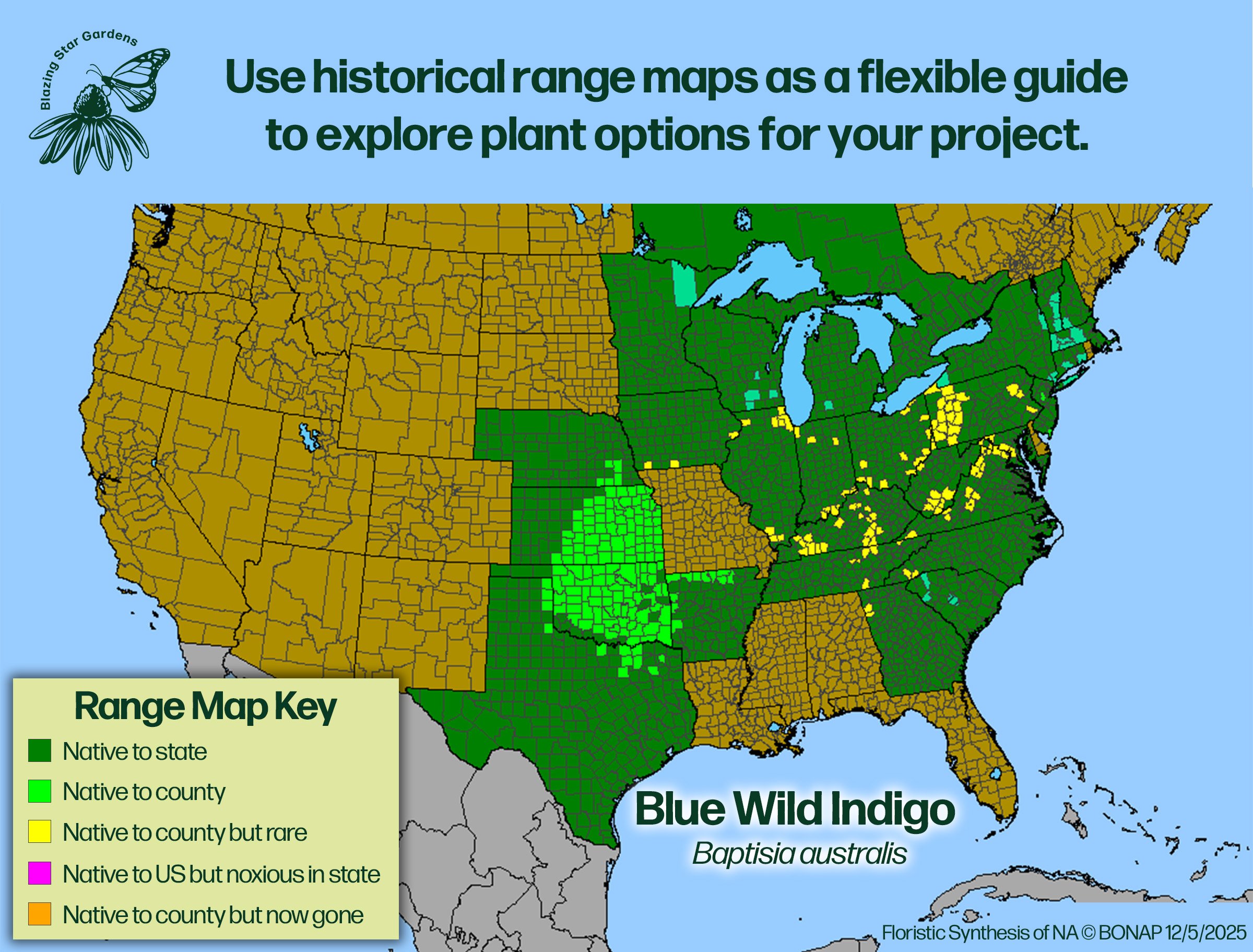 Image 7 of 7