Can’t be shipped.
Butterfly Milkweed is one of the most stunning plants for dry, sunny gardens. The orange flowers are a perfect companion to many of the other summer blooming prairie flowers, especially Coneflowers. It supports Monarch caterpillars and you can often find tiny white eggs underneath the leaves in early summer, and caterpillars munching away a few weeks later.
Butterfly Milkweed is long-lived when planted in a dry, sunny location with sand or light soil. It can be short-lived in rich, medium soil, but it often regenerates by seed. It’s a wonderful, short flower that is welcome to spread throughout a garden. Unlike common Milkweed which spreads underground, Butterfly Milkweed grows in a small clump with a single taproot, making it a much better plant for urban gardens.
Also available in 12-packs of plugs here
Details
Perennial
Sun: Full Sun, Part Shade
Moisture: Dry, Medium
Height: 2 feet
Blooms: June, July, Aug
Color: Orange
Spacing: 12-18″
Spreads: A little by seed
Zones: 3-9
Benefits: Butterflies, Pollinators
Design Tips
Plant Butterfly Milkweed in dry soil. Host plants for monarch caterpillars are most effective when planted next to their favorite butterfly nectar plants that bloom at the same time as the monarch migration such as Coneflowers, Blazing Stars, and Asters. Butterfly Milkweed (Asclepias tuberosa) doesn’t spread by roots—it spreads only a little bit by seed, making it a nice garden plant.
Maintenance Tips
Since Butterfly Milkweed can be a short-lived plant, make sure that you allow it to spread its seed so that they can sprout and survive in your garden. This means allowing the seed heads to mature, but also making sure you don’t add mulch every year, which prevents seeds from germinating the next spring.
Great native plant choice for the Minnesota Lawns to Legumes grant program!
Companion Plants
Prairie Phlox
Narrow-leaved Coneflower
Prairie Dropseed
Prairie Phlox
Purple Prairie Clover
Blue Grama Grass
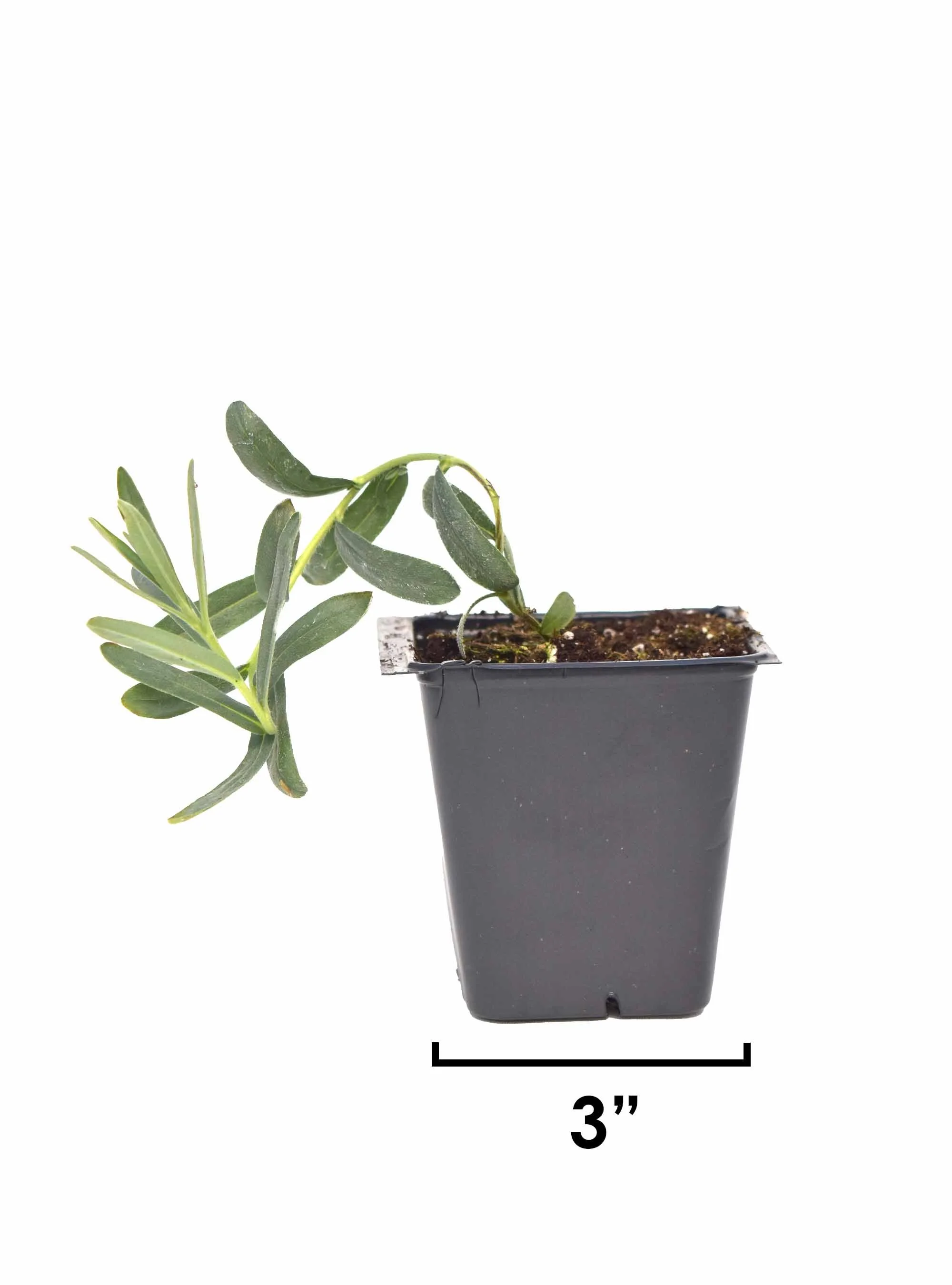
Size: 3-pack of pots, each pot is 3" wide x 3" deep
These pots can’t be shipped — pickup only!
Can’t be shipped.
Butterfly Milkweed is one of the most stunning plants for dry, sunny gardens. The orange flowers are a perfect companion to many of the other summer blooming prairie flowers, especially Coneflowers. It supports Monarch caterpillars and you can often find tiny white eggs underneath the leaves in early summer, and caterpillars munching away a few weeks later.
Butterfly Milkweed is long-lived when planted in a dry, sunny location with sand or light soil. It can be short-lived in rich, medium soil, but it often regenerates by seed. It’s a wonderful, short flower that is welcome to spread throughout a garden. Unlike common Milkweed which spreads underground, Butterfly Milkweed grows in a small clump with a single taproot, making it a much better plant for urban gardens.
Also available in 12-packs of plugs here
Details
Perennial
Sun: Full Sun, Part Shade
Moisture: Dry, Medium
Height: 2 feet
Blooms: June, July, Aug
Color: Orange
Spacing: 12-18″
Spreads: A little by seed
Zones: 3-9
Benefits: Butterflies, Pollinators
Design Tips
Plant Butterfly Milkweed in dry soil. Host plants for monarch caterpillars are most effective when planted next to their favorite butterfly nectar plants that bloom at the same time as the monarch migration such as Coneflowers, Blazing Stars, and Asters. Butterfly Milkweed (Asclepias tuberosa) doesn’t spread by roots—it spreads only a little bit by seed, making it a nice garden plant.
Maintenance Tips
Since Butterfly Milkweed can be a short-lived plant, make sure that you allow it to spread its seed so that they can sprout and survive in your garden. This means allowing the seed heads to mature, but also making sure you don’t add mulch every year, which prevents seeds from germinating the next spring.
Great native plant choice for the Minnesota Lawns to Legumes grant program!
Companion Plants
Prairie Phlox
Narrow-leaved Coneflower
Prairie Dropseed
Prairie Phlox
Purple Prairie Clover
Blue Grama Grass
Size: 3-pack of pots, each pot is 3" wide x 3" deep
These pots can’t be shipped — pickup only!

 Image 1 of 13
 Image 2 of 13
 Image 3 of 13
 Image 4 of 13
 Image 5 of 13
 Image 6 of 13
 Image 7 of 13
 Image 8 of 13
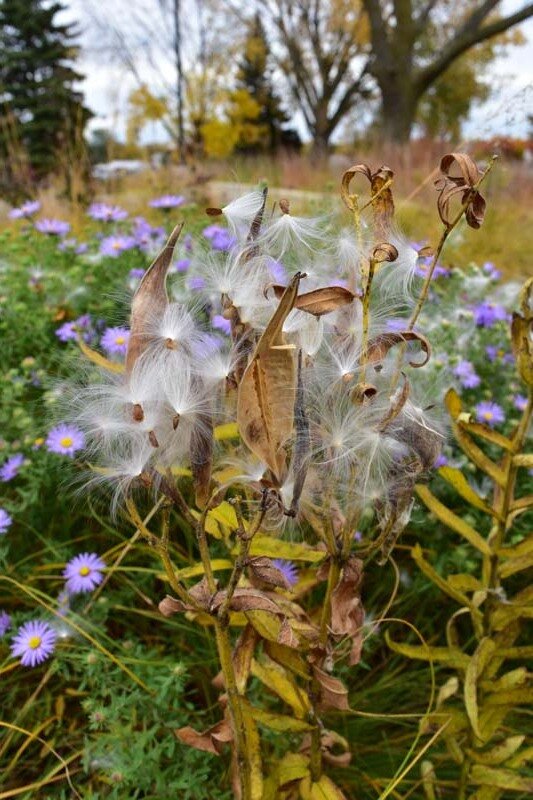 Image 9 of 13
 Image 10 of 13
 Image 11 of 13
 Image 12 of 13
 Image 13 of 13