Can be shipped.
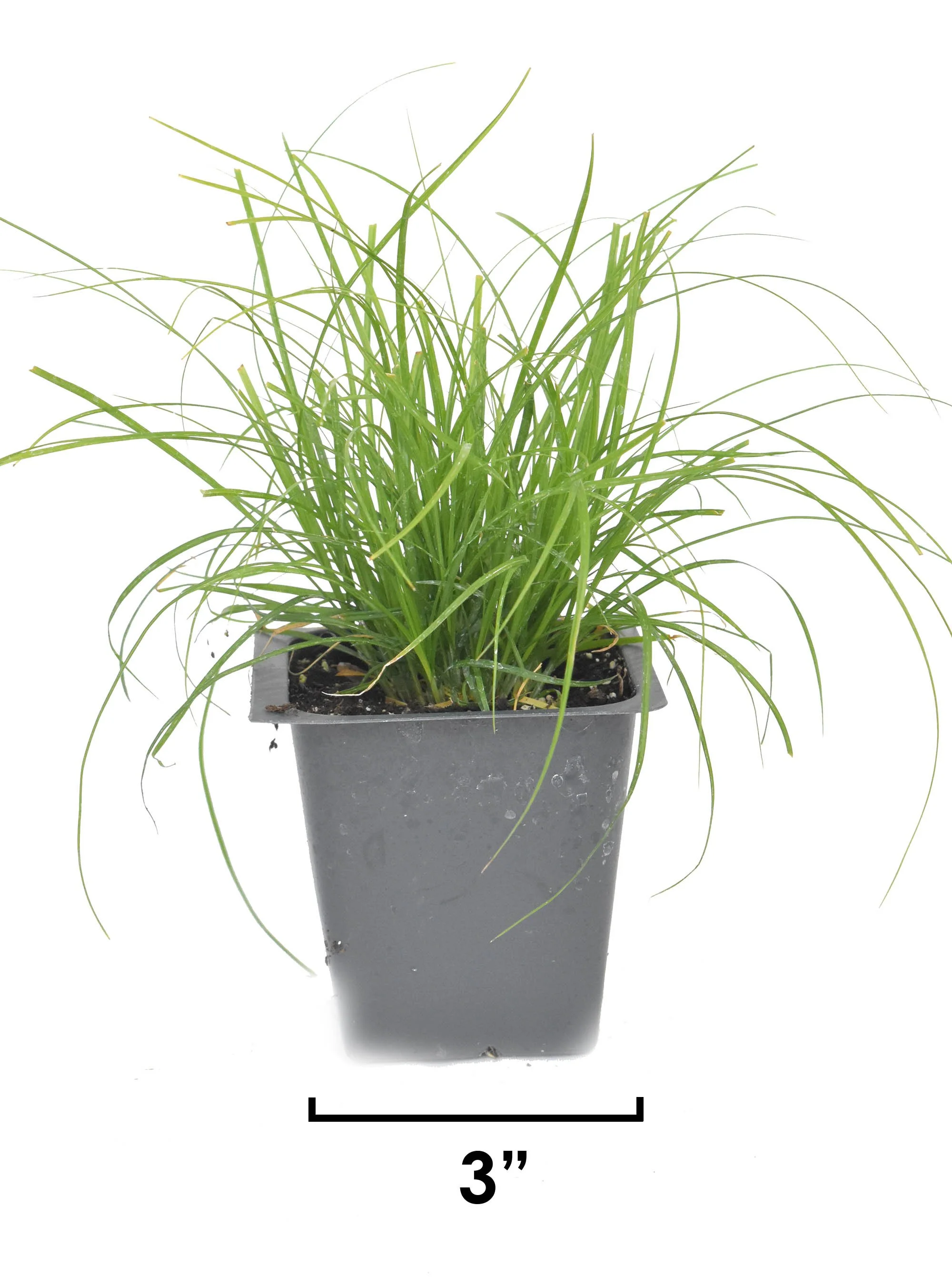
What are plugs? Plugs are plants grown in 72-cell trays; each soil plug is 1.6” wide x 3.2” deep. Read more here.
Pale Purple Coneflower blooms in early summer with soft pink, drooping petals surrounding a tall central cone. The flowers rise above a clump of narrow leaves and bring a tall, slender structure to sunny prairie plantings.
This species is long-lived and develops a deep taproot, helping it persist through dry periods once established. After flowering, the seed heads remain through fall and winter and are frequently visited by goldfinches and other songbirds.
Pale Purple Coneflower works well in sunny prairie gardens where it can be mixed with other early- and mid-summer flowers. It goes well with Butterfly Milkweed, Prairie Coreopsis, Hoary Vervain, and prairie grasses such as Little Bluestem and Prairie Dropseed, creating a layered planting of complimentary colors.
Details
Perennial
Sun: Full Sun, Part Shade
Moisture: Medium, Medium-Dry, Dry
Height: 3 feet
Blooms: June, July
Color: Pink
Spacing: 18″
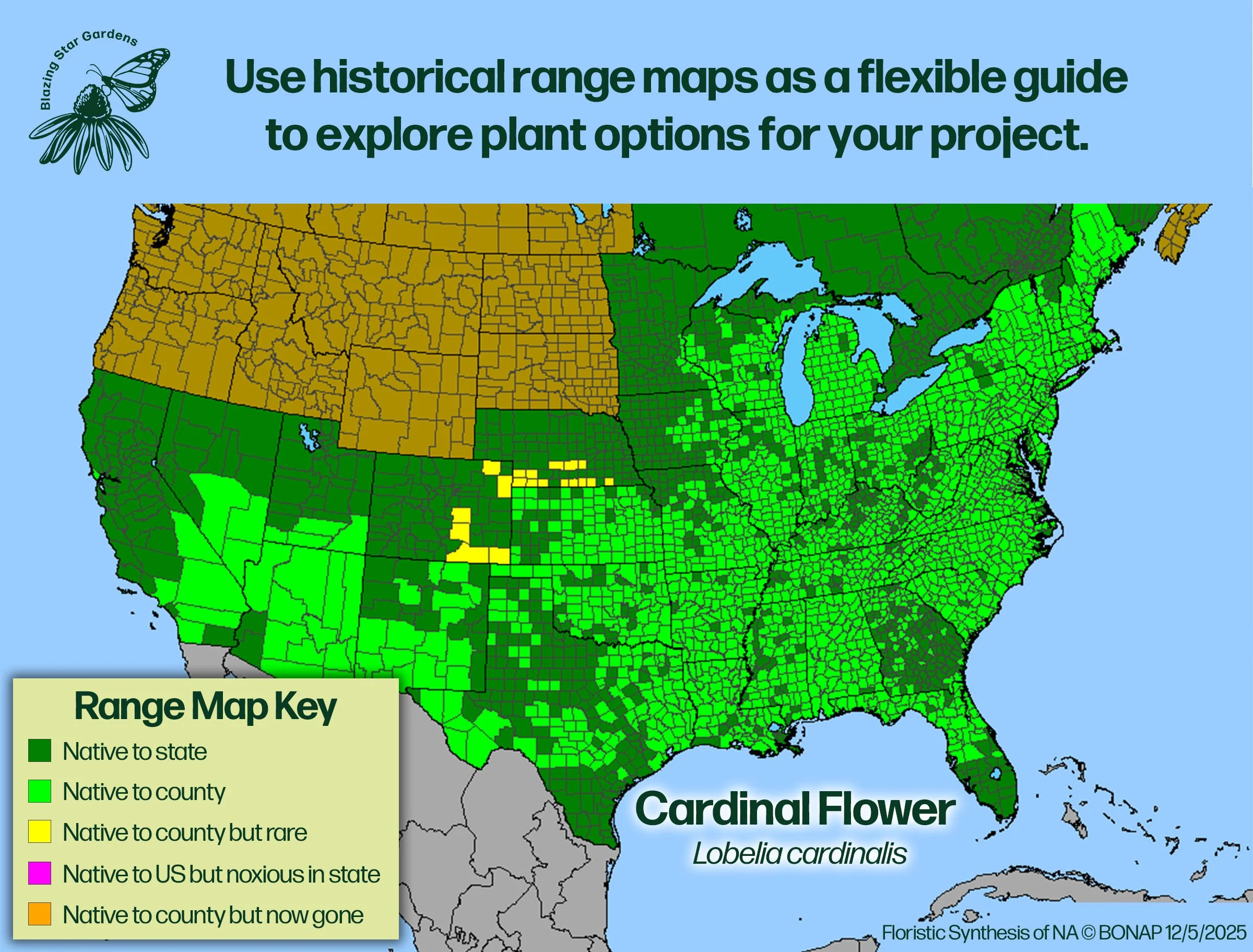
Spreads: A medium amount by seed
Zones: 3-9
Benefits: Butterflies, Pollinators
Design Tips
Pale Purple Coneflower eventually forms large clumps with many tall flowers. The seed heads of Pale Purple Coneflower (Echinacea pallida) are attractive in fall and winter, and the seeds provide food for birds. It spreads a decent amount by seed after a few years. We like this planted in-between masses of prairie grasses, where the flowers rise above them.
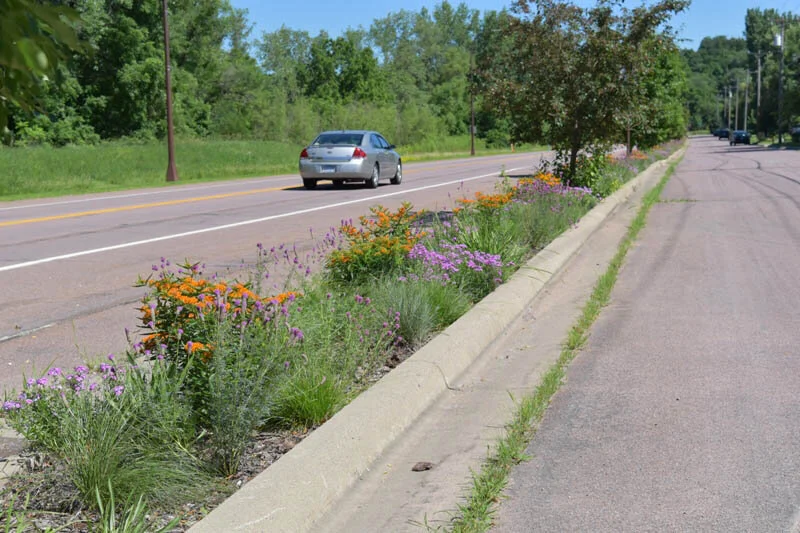
Great native plant choice for the Minnesota Lawns to Legumes grant program!
Companion Plants
White Wild Indigo
Nodding Onion
Butterfly Milkweed
Lead Plant
Prairie Dropseed
Size: 12-pack of plugs
Can be shipped.
What are plugs? Plugs are plants grown in 72-cell trays; each soil plug is 1.6” wide x 3.2” deep. Read more here.
Pale Purple Coneflower blooms in early summer with soft pink, drooping petals surrounding a tall central cone. The flowers rise above a clump of narrow leaves and bring a tall, slender structure to sunny prairie plantings.
This species is long-lived and develops a deep taproot, helping it persist through dry periods once established. After flowering, the seed heads remain through fall and winter and are frequently visited by goldfinches and other songbirds.
Pale Purple Coneflower works well in sunny prairie gardens where it can be mixed with other early- and mid-summer flowers. It goes well with Butterfly Milkweed, Prairie Coreopsis, Hoary Vervain, and prairie grasses such as Little Bluestem and Prairie Dropseed, creating a layered planting of complimentary colors.
Details
Perennial
Sun: Full Sun, Part Shade
Moisture: Medium, Medium-Dry, Dry
Height: 3 feet
Blooms: June, July
Color: Pink
Spacing: 18″
Spreads: A medium amount by seed
Zones: 3-9
Benefits: Butterflies, Pollinators
Design Tips
Pale Purple Coneflower eventually forms large clumps with many tall flowers. The seed heads of Pale Purple Coneflower (Echinacea pallida) are attractive in fall and winter, and the seeds provide food for birds. It spreads a decent amount by seed after a few years. We like this planted in-between masses of prairie grasses, where the flowers rise above them.
Great native plant choice for the Minnesota Lawns to Legumes grant program!
Companion Plants
White Wild Indigo
Nodding Onion
Butterfly Milkweed
Lead Plant
Prairie Dropseed
Size: 12-pack of plugs

 Image 1 of 15
 Image 2 of 15
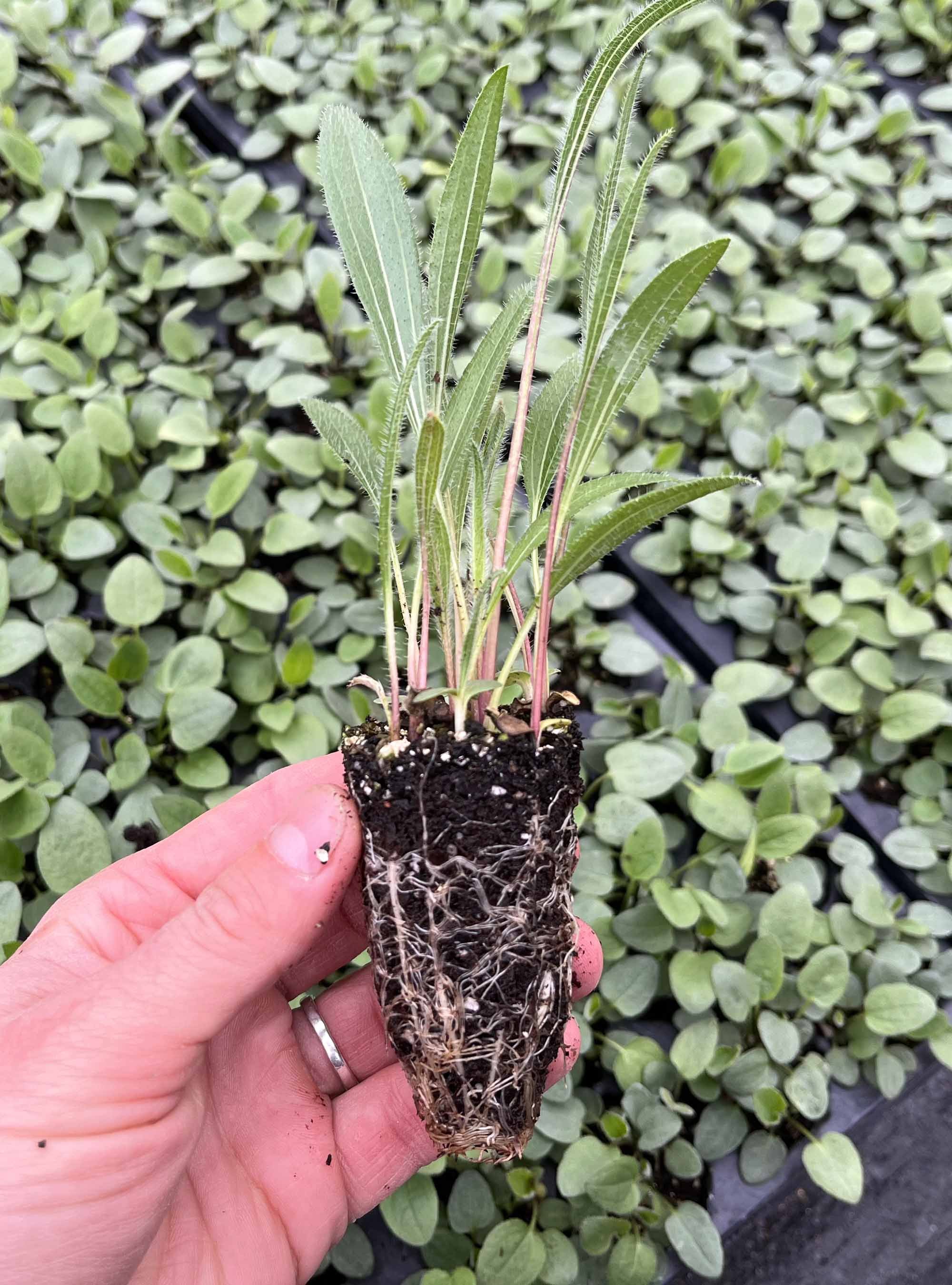 Image 3 of 15
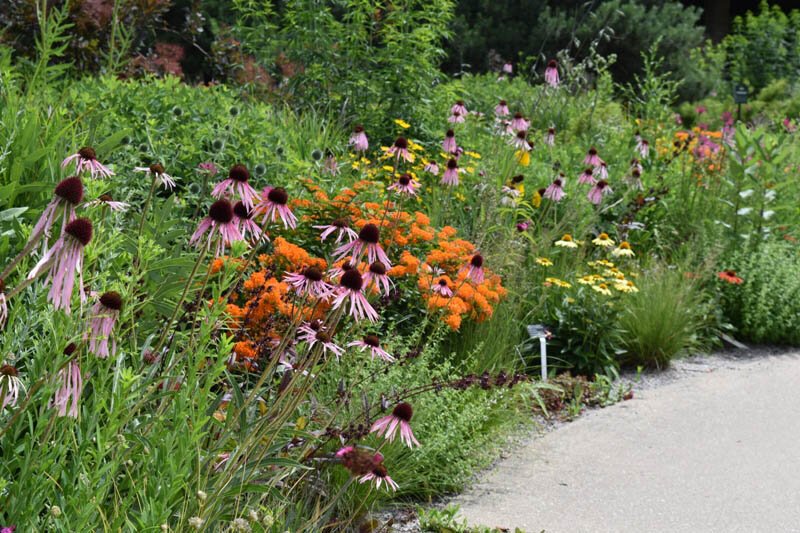 Image 4 of 15
 Image 5 of 15
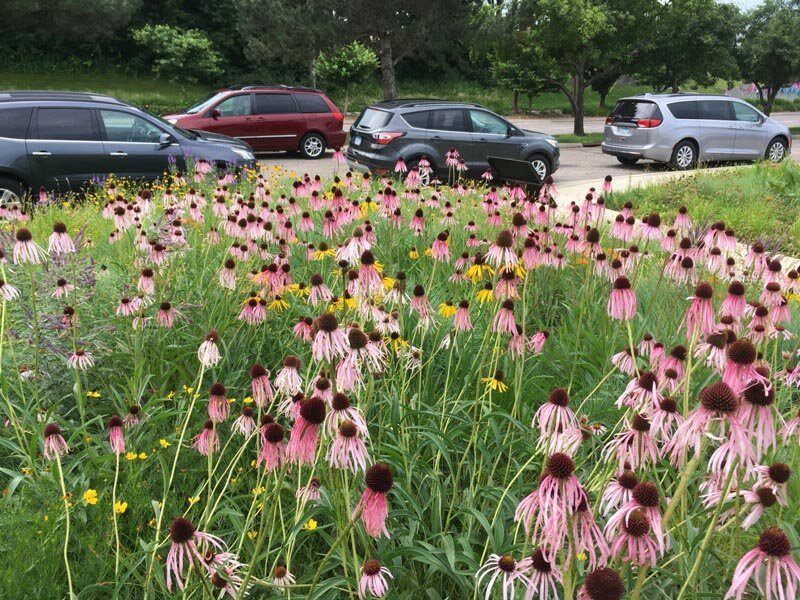 Image 6 of 15
 Image 7 of 15
 Image 8 of 15
 Image 9 of 15
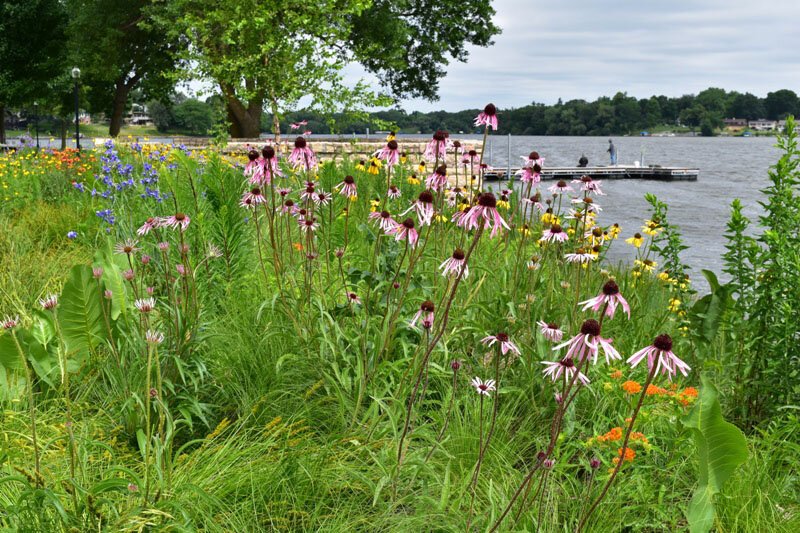 Image 10 of 15
 Image 11 of 15
 Image 12 of 15
 Image 13 of 15
 Image 14 of 15
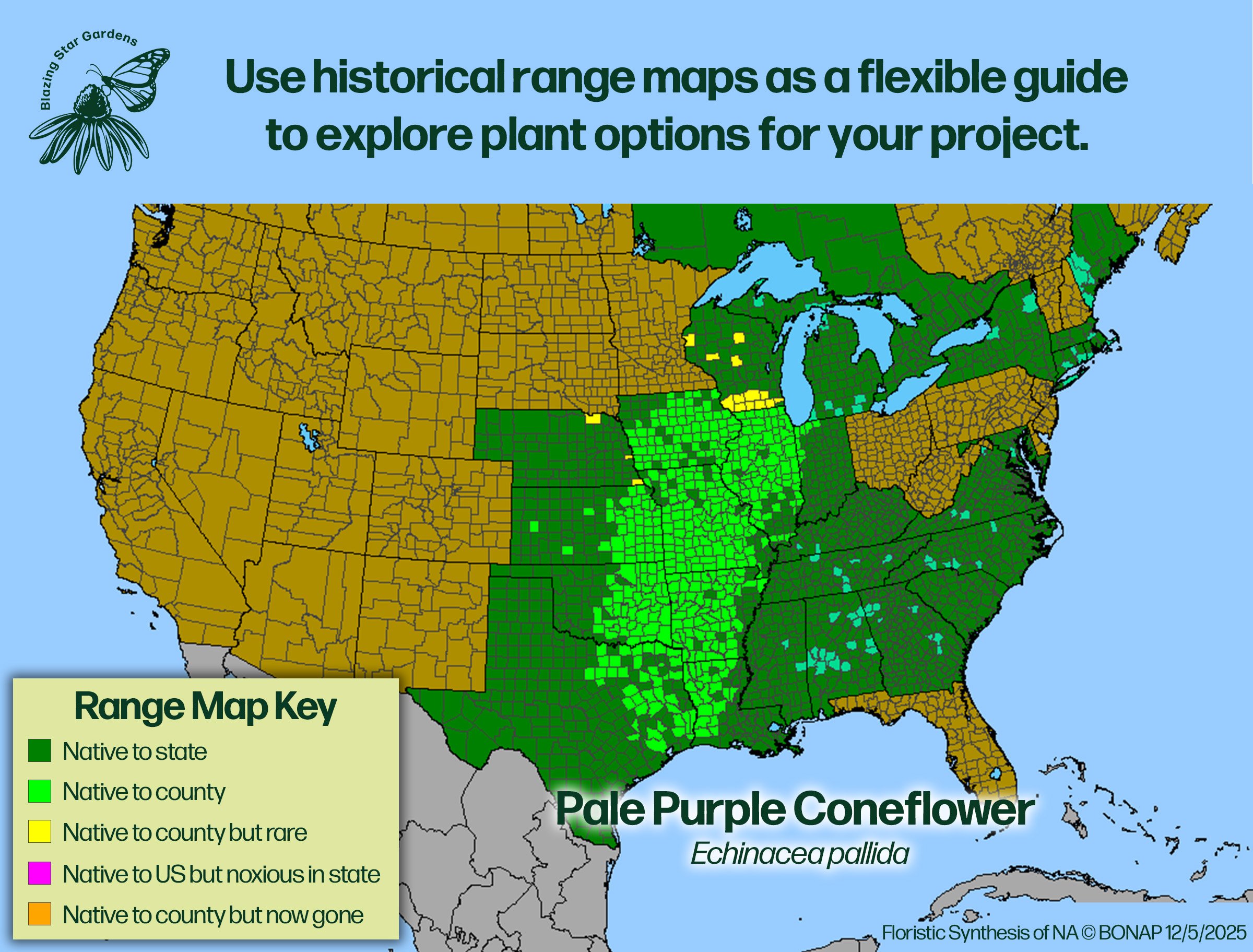 Image 15 of 15