Can be shipped.
What are plugs? Plugs are plants grown in 72-cell trays; each soil plug is 1.6” wide x 3.2” deep. Read more here.
Culver’s Root is one of our favorite landscaping plants for a few reasons. First, it has tall, soaring spikes of white flowers that add a unique color and texture to gardens. These beautiful white flowers are also very attractive to bees. Second, although it is tall, it doesn’t spread much by seed or roots, which usually isn’t the case with tall native plants. You can plant Culver’s Root in the middle of shorter plants and expect it to stay put year after year. Finally, Culver’s Root can handle clay soil, a little wetter soil, and some shade making it a versatile plant.
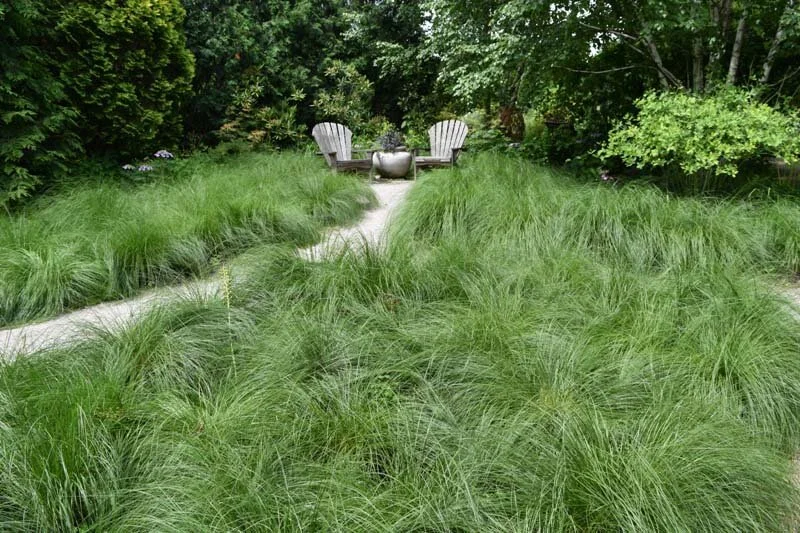
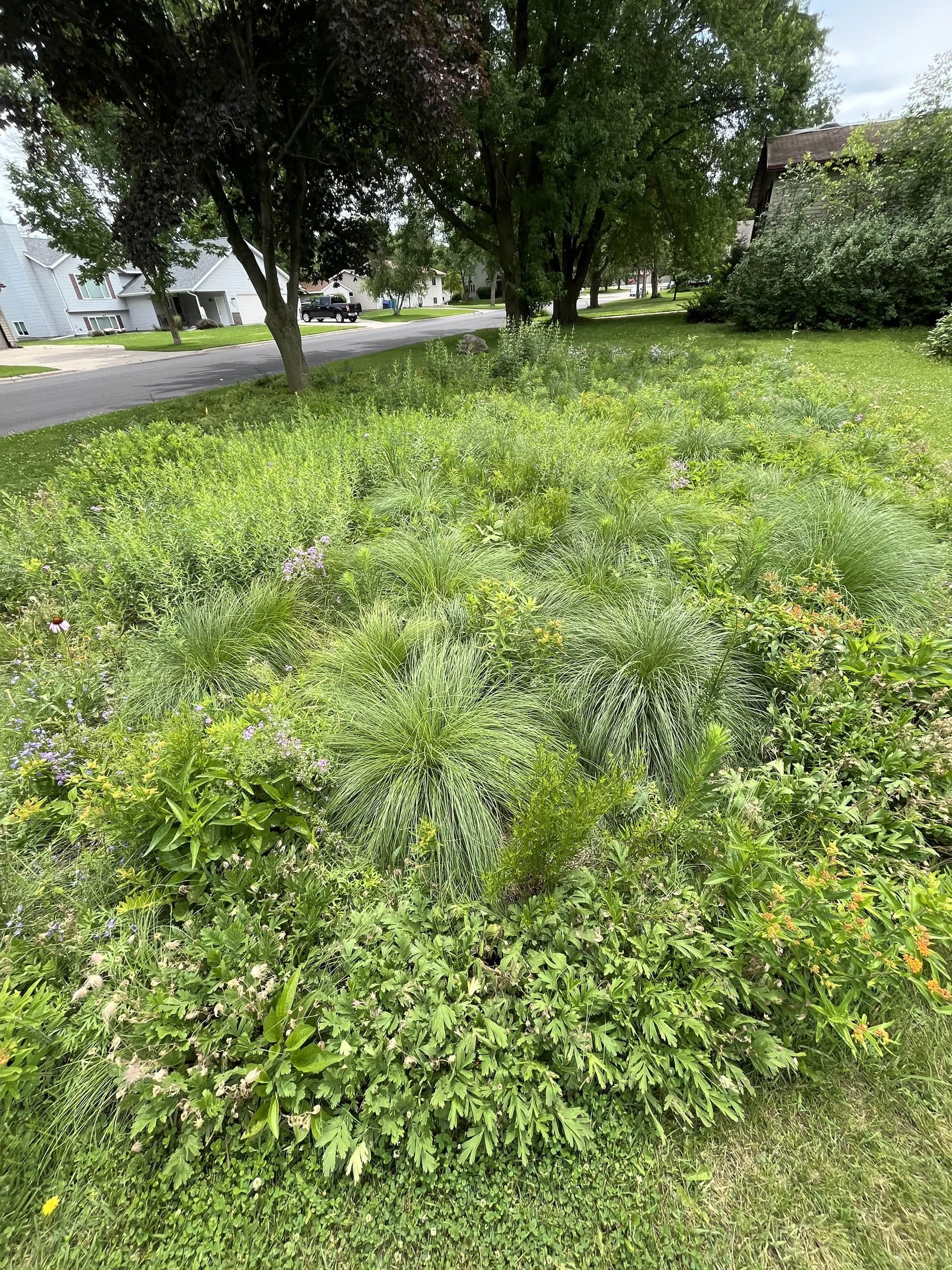
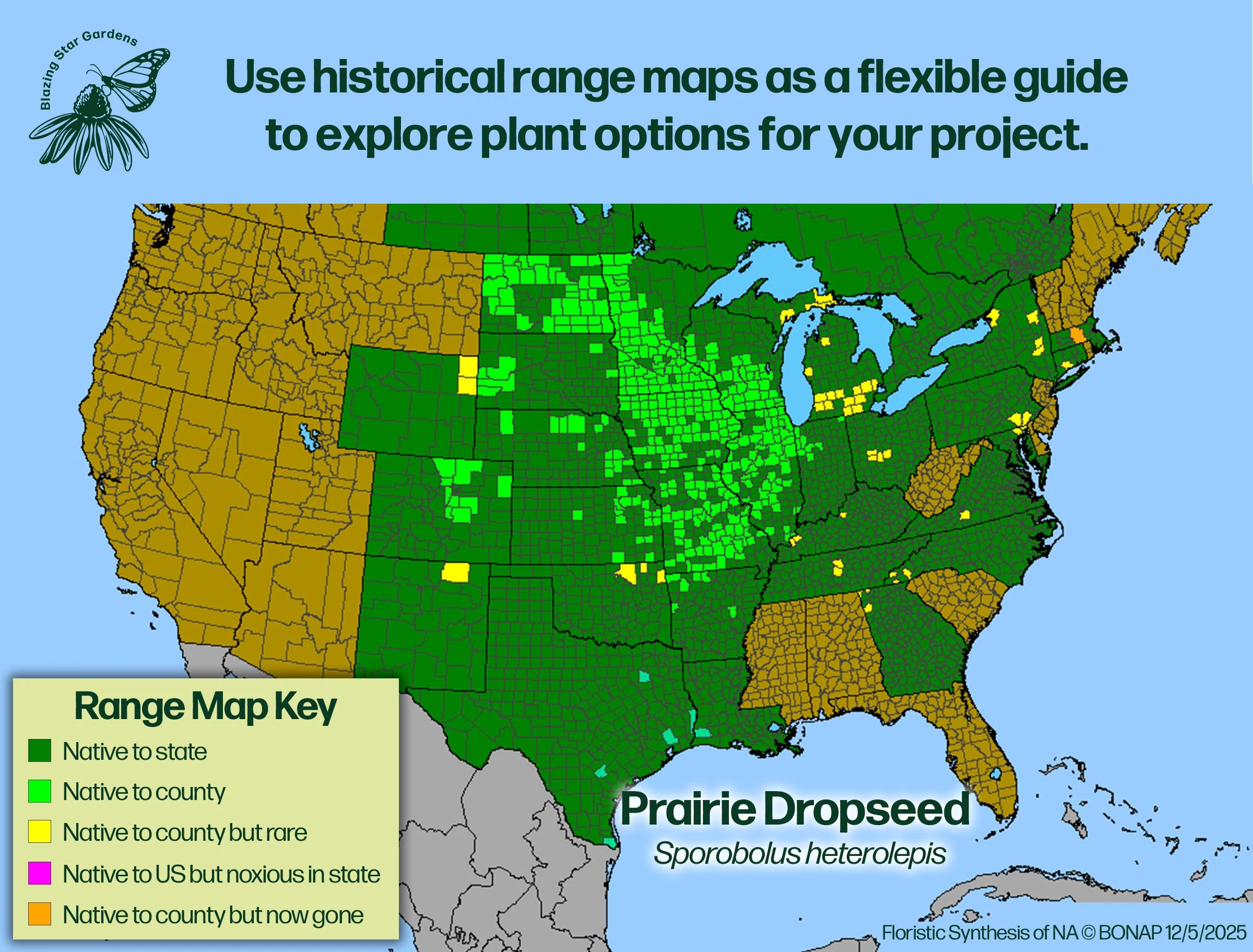
In the fall, the spent flower heads turn dark brown and look really nice among prairie grasses like Little Bluestem and Prairie Dropseed. It’s truly one of our favorite native wildflowers.
Details
Perennial
Sun: Full Sun, Part Shade, Shade
Moisture: Medium-Dry, Medium-Wet
Height: 5 feet
Blooms: June, July, Aug, Sept
Color: White
Spacing: 2-3′
Spreads: 5” a year by roots
Zones: 3-8
Benefits: Butterflies, Pollinators
Design Tips
Culver's Root (Veronicastrum virginicum) looks fantastic when planted near the middle of a garden, providing a backdrop for red flowers such as Cardinal Flower or Marsh Milkweed or a foreground for taller pink flowers such as Blazing Stars or Sweet Joe Pye Weed. Don’t plant Culver’s Root plants extremely close together or in a monoculture—there is a fungus that spreads quickly from plant to plant if they are planted too close together (which is why, in natural prairies, you often find Culver’s Root spread out from each other, and not in dense masses).
Maintenance Tips
Culver’s Root is nice because it doesn’t have thick stems—they are more slender than you would expect with a tall native plant. They are easy to cut or push down in the fall or spring, and the residue isn’t enough to smother plants.
Great native plant choice for the Minnesota Lawns to Legumes grant program!
Companion Plants
Little Bluestem
Meadow Blazing Star
Orange Coneflower
Rough Blazing Star
Size: 12-pack of plugs
Can be shipped.
What are plugs? Plugs are plants grown in 72-cell trays; each soil plug is 1.6” wide x 3.2” deep. Read more here.
Culver’s Root is one of our favorite landscaping plants for a few reasons. First, it has tall, soaring spikes of white flowers that add a unique color and texture to gardens. These beautiful white flowers are also very attractive to bees. Second, although it is tall, it doesn’t spread much by seed or roots, which usually isn’t the case with tall native plants. You can plant Culver’s Root in the middle of shorter plants and expect it to stay put year after year. Finally, Culver’s Root can handle clay soil, a little wetter soil, and some shade making it a versatile plant.
In the fall, the spent flower heads turn dark brown and look really nice among prairie grasses like Little Bluestem and Prairie Dropseed. It’s truly one of our favorite native wildflowers.
Details
Perennial
Sun: Full Sun, Part Shade, Shade
Moisture: Medium-Dry, Medium-Wet
Height: 5 feet
Blooms: June, July, Aug, Sept
Color: White
Spacing: 2-3′
Spreads: 5” a year by roots
Zones: 3-8
Benefits: Butterflies, Pollinators
Design Tips
Culver's Root (Veronicastrum virginicum) looks fantastic when planted near the middle of a garden, providing a backdrop for red flowers such as Cardinal Flower or Marsh Milkweed or a foreground for taller pink flowers such as Blazing Stars or Sweet Joe Pye Weed. Don’t plant Culver’s Root plants extremely close together or in a monoculture—there is a fungus that spreads quickly from plant to plant if they are planted too close together (which is why, in natural prairies, you often find Culver’s Root spread out from each other, and not in dense masses).
Maintenance Tips
Culver’s Root is nice because it doesn’t have thick stems—they are more slender than you would expect with a tall native plant. They are easy to cut or push down in the fall or spring, and the residue isn’t enough to smother plants.
Great native plant choice for the Minnesota Lawns to Legumes grant program!
Companion Plants
Little Bluestem
Meadow Blazing Star
Orange Coneflower
Rough Blazing Star
Size: 12-pack of plugs

 Image 1 of 10
 Image 2 of 10
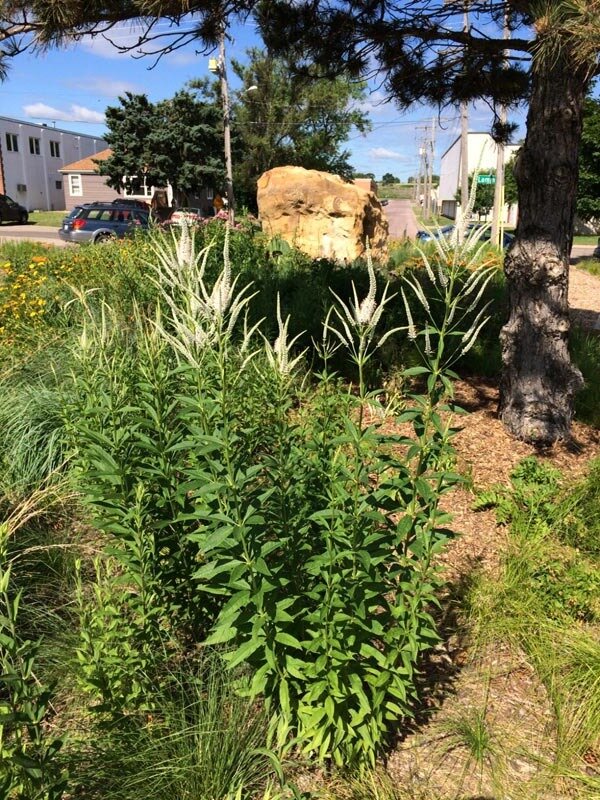 Image 3 of 10
 Image 4 of 10
 Image 5 of 10
 Image 6 of 10
 Image 7 of 10
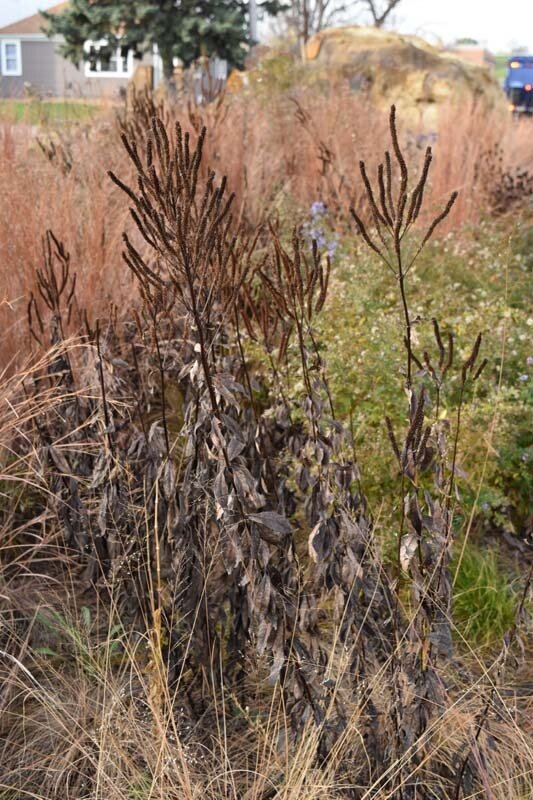 Image 8 of 10
 Image 9 of 10
 Image 10 of 10