Can’t be shipped.
Orange Coneflower—also known as Black-Eyed Susan—produces yellow-orange flowers with dark centers from mid-summer into early fall. The plants spread into a mat of deep green leaves that knit the garden together around clumps of grasses and other flowers. It can handle full sun and quite a bit of shade.
Orange Coneflower spreads slowly to form large clumps, making it useful for filling gaps in prairie gardens. It works well when planted in groups or woven through grasses and other flowers.
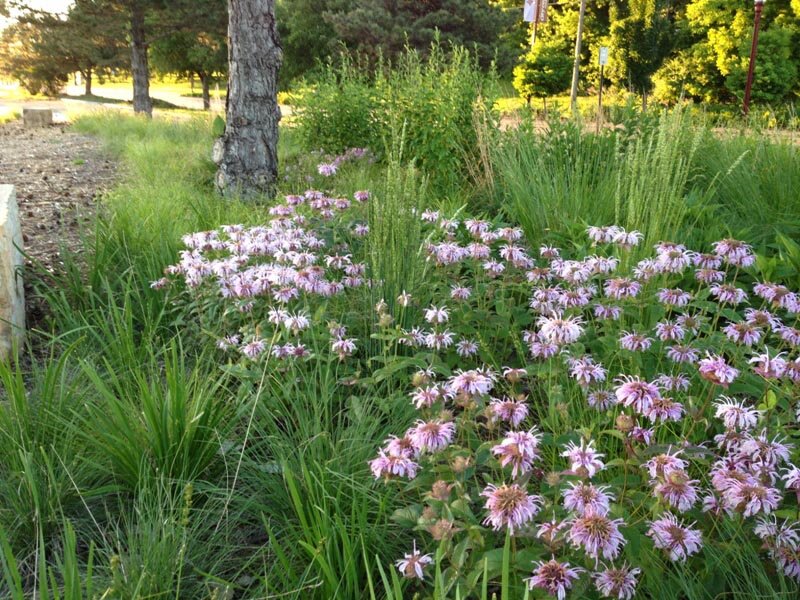
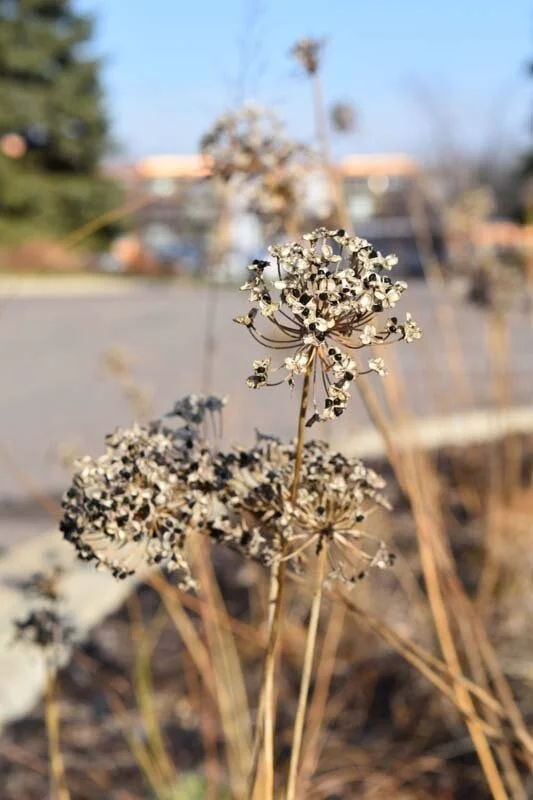
Because it blooms later than many yellow flowers, Orange Coneflower pairs well with mid- to late-season prairie plants. It is a great companion for Blazing Stars, New England Aster, and Bottle Gentian, creating a late-summer garden with overlapping blooms and complimentary colors. In winter, the stems and seed heads turn black and provide a nice color contract to the usual garden browns and white snow or winter.
Also available in 12-packs of plugs here
Details
Perennial
Sun: Full Sun, Part Shade
Moisture: Medium-Dry, Medium, Medium-Wet
Height: 3 feet
Blooms: July, Aug, Sept
Color: Orange-Yellow
Spacing: 1-2′
Spreads: 6” a year by roots
Zones: 3-9
Benefits: Butterflies, Pollinators, Birds
Design Tips
We prefer planting Orange Coneflower (Rudbeckia fulgida) over the common Black Eyed Susan (Rudbeckia hirta) because common Black Eyed Susan is short-lived and spreads a lot by seeds, while Orange Coneflower is long-lived and stays in place. It spreads slowly by underground rhizomes (roots), creating thick mats of leaves and flowers.
Companion Plants
Blue Wild Indigo
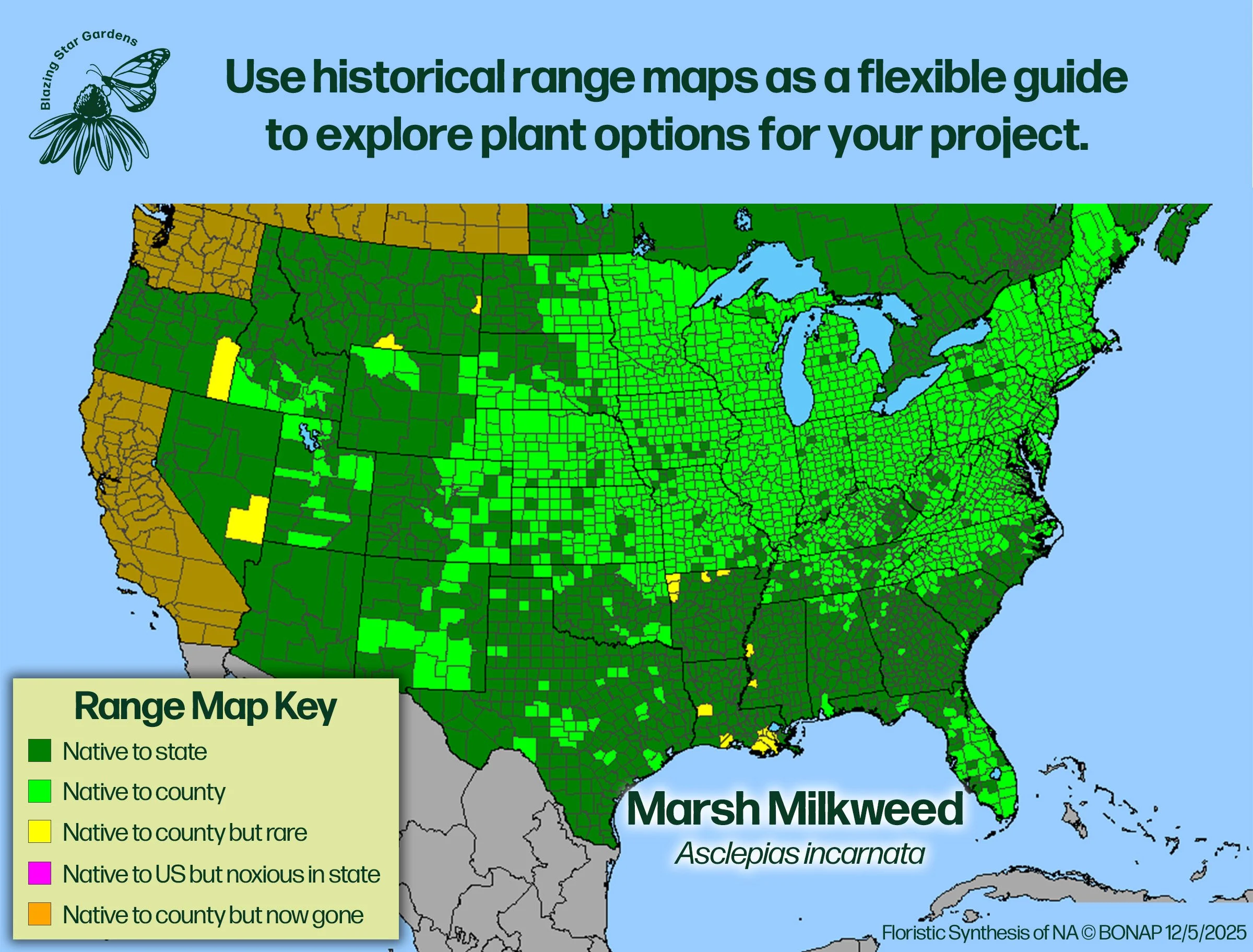
Marsh Milkweed
Meadow Blazing Star
Prairie Blazing Star
Fox Sedge
New England Aster
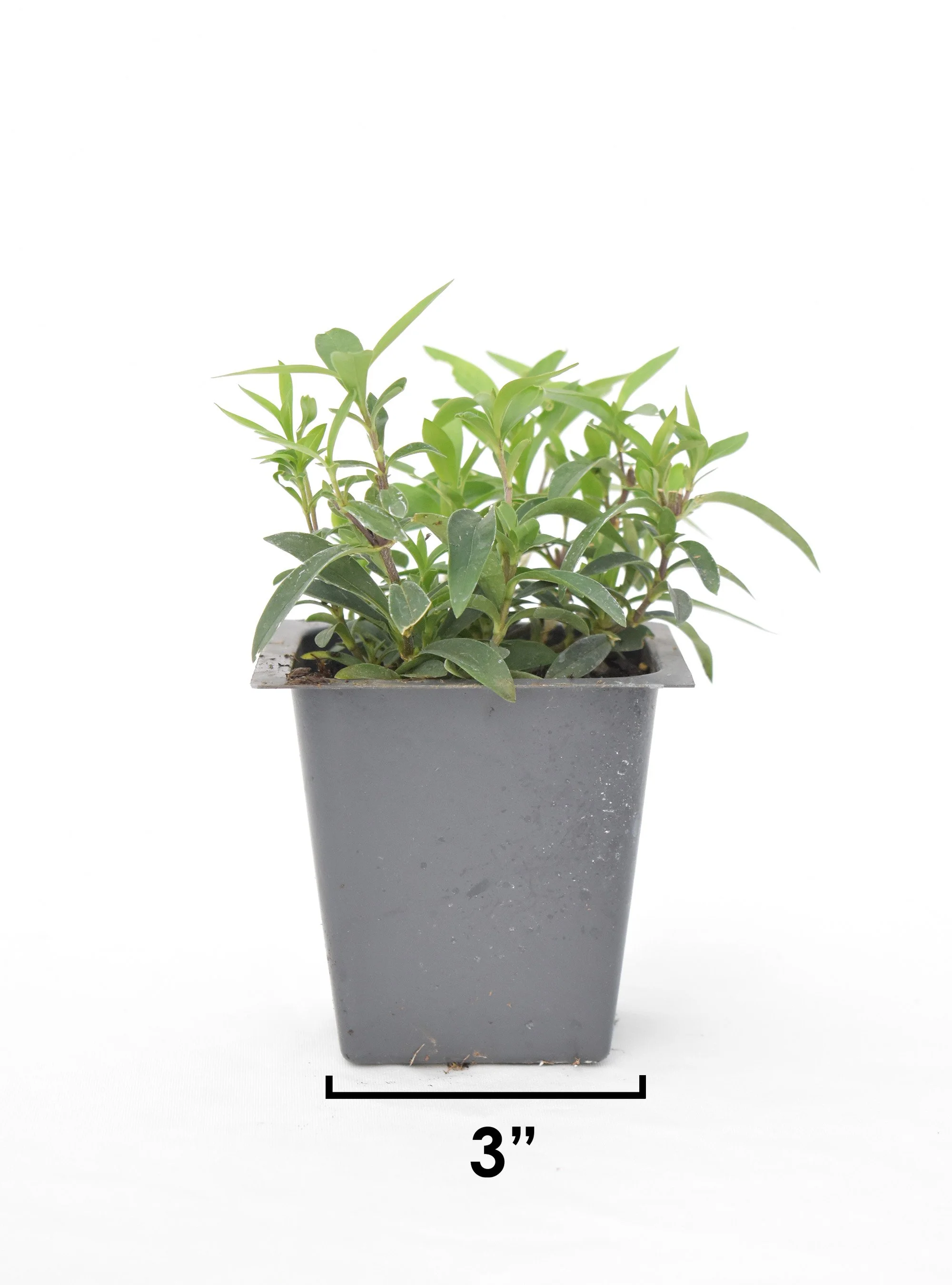
Size: 3-pack of pots, each pot is 3" wide x 3" deep
These pots can’t be shipped — pickup only!
Can’t be shipped.
Orange Coneflower—also known as Black-Eyed Susan—produces yellow-orange flowers with dark centers from mid-summer into early fall. The plants spread into a mat of deep green leaves that knit the garden together around clumps of grasses and other flowers. It can handle full sun and quite a bit of shade.
Orange Coneflower spreads slowly to form large clumps, making it useful for filling gaps in prairie gardens. It works well when planted in groups or woven through grasses and other flowers.
Because it blooms later than many yellow flowers, Orange Coneflower pairs well with mid- to late-season prairie plants. It is a great companion for Blazing Stars, New England Aster, and Bottle Gentian, creating a late-summer garden with overlapping blooms and complimentary colors. In winter, the stems and seed heads turn black and provide a nice color contract to the usual garden browns and white snow or winter.
Also available in 12-packs of plugs here
Details
Perennial
Sun: Full Sun, Part Shade
Moisture: Medium-Dry, Medium, Medium-Wet
Height: 3 feet
Blooms: July, Aug, Sept
Color: Orange-Yellow
Spacing: 1-2′
Spreads: 6” a year by roots
Zones: 3-9
Benefits: Butterflies, Pollinators, Birds
Design Tips
We prefer planting Orange Coneflower (Rudbeckia fulgida) over the common Black Eyed Susan (Rudbeckia hirta) because common Black Eyed Susan is short-lived and spreads a lot by seeds, while Orange Coneflower is long-lived and stays in place. It spreads slowly by underground rhizomes (roots), creating thick mats of leaves and flowers.
Companion Plants
Blue Wild Indigo
Marsh Milkweed
Meadow Blazing Star
Prairie Blazing Star
Fox Sedge
New England Aster
Size: 3-pack of pots, each pot is 3" wide x 3" deep
These pots can’t be shipped — pickup only!

 Image 1 of 15
 Image 2 of 15
 Image 3 of 15
 Image 4 of 15
 Image 5 of 15
 Image 6 of 15
 Image 7 of 15
 Image 8 of 15
 Image 9 of 15
 Image 10 of 15
 Image 11 of 15
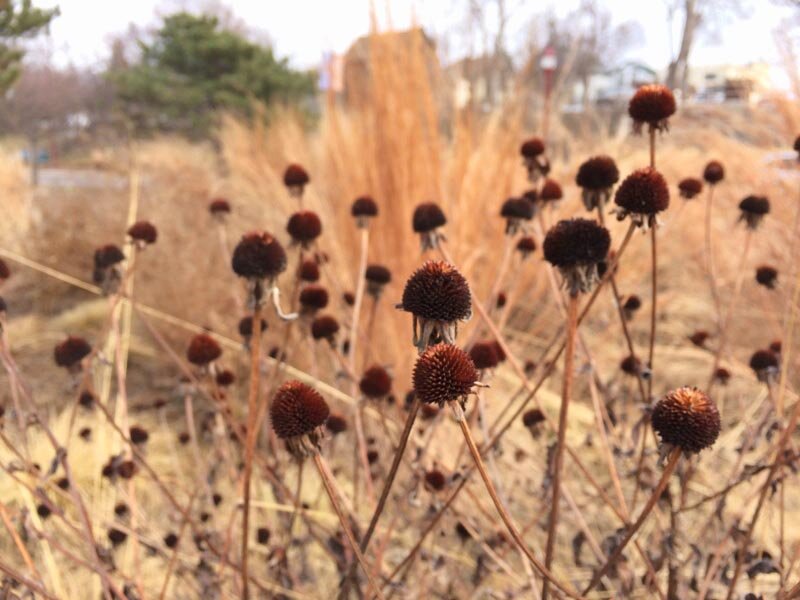 Image 12 of 15
 Image 13 of 15
 Image 14 of 15
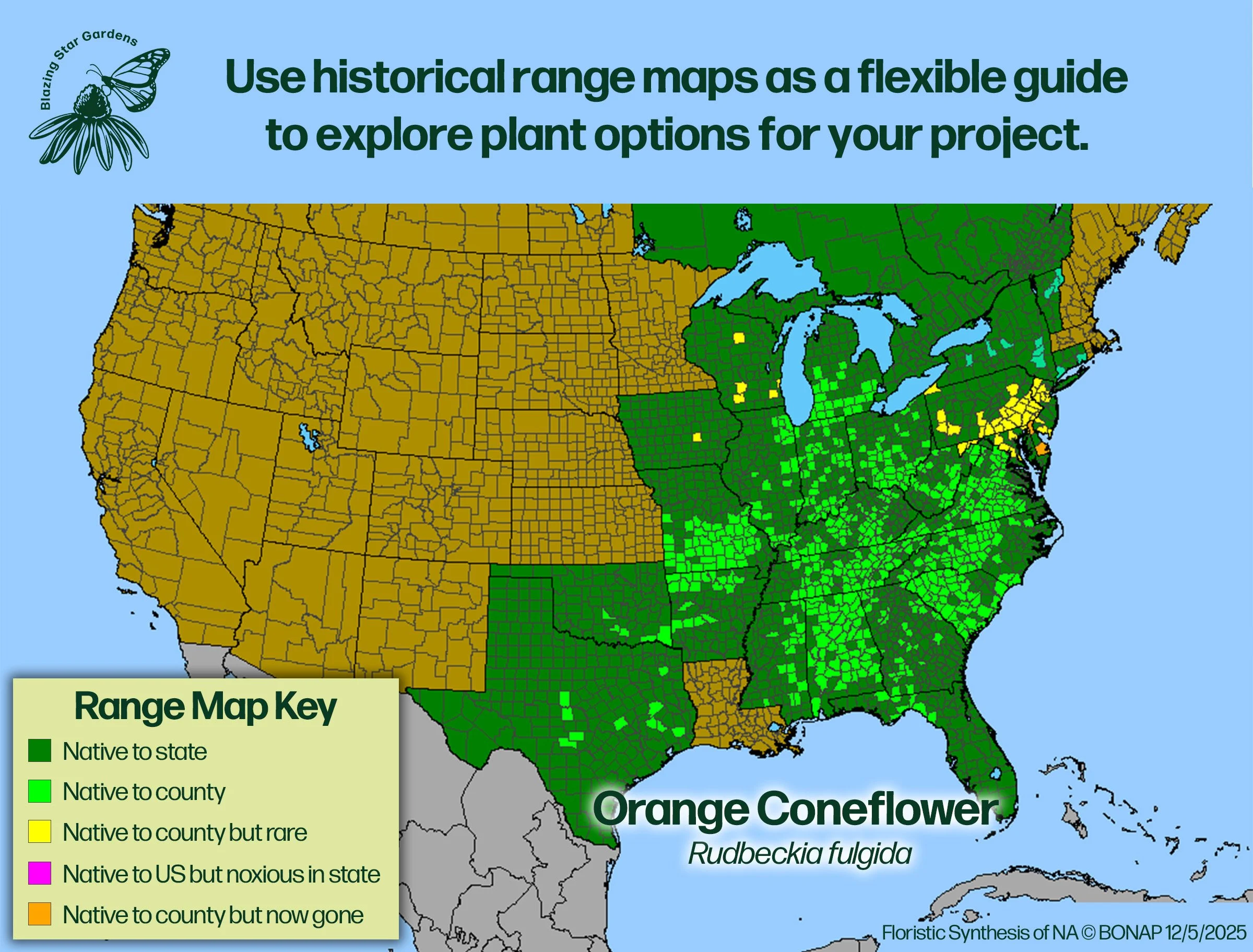 Image 15 of 15